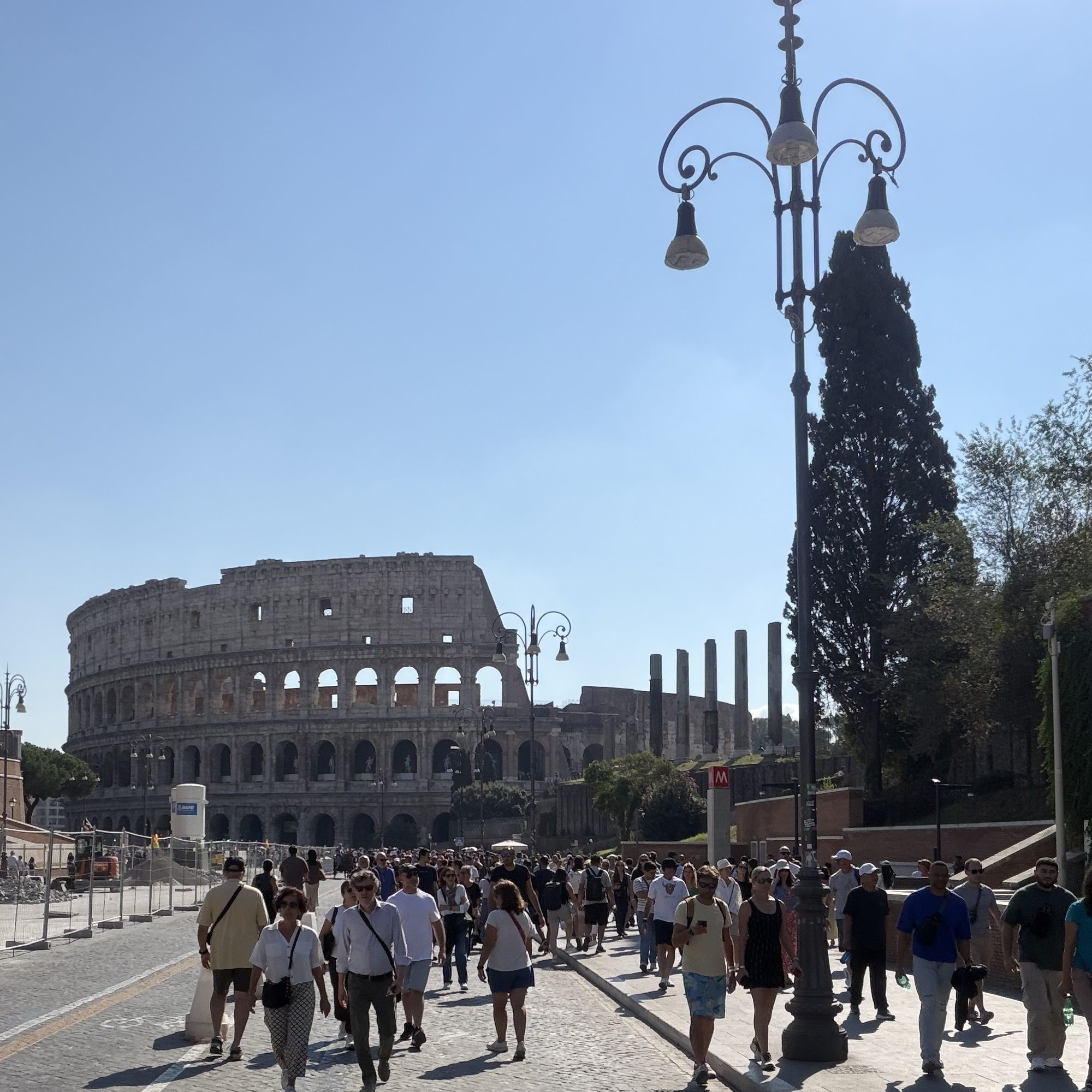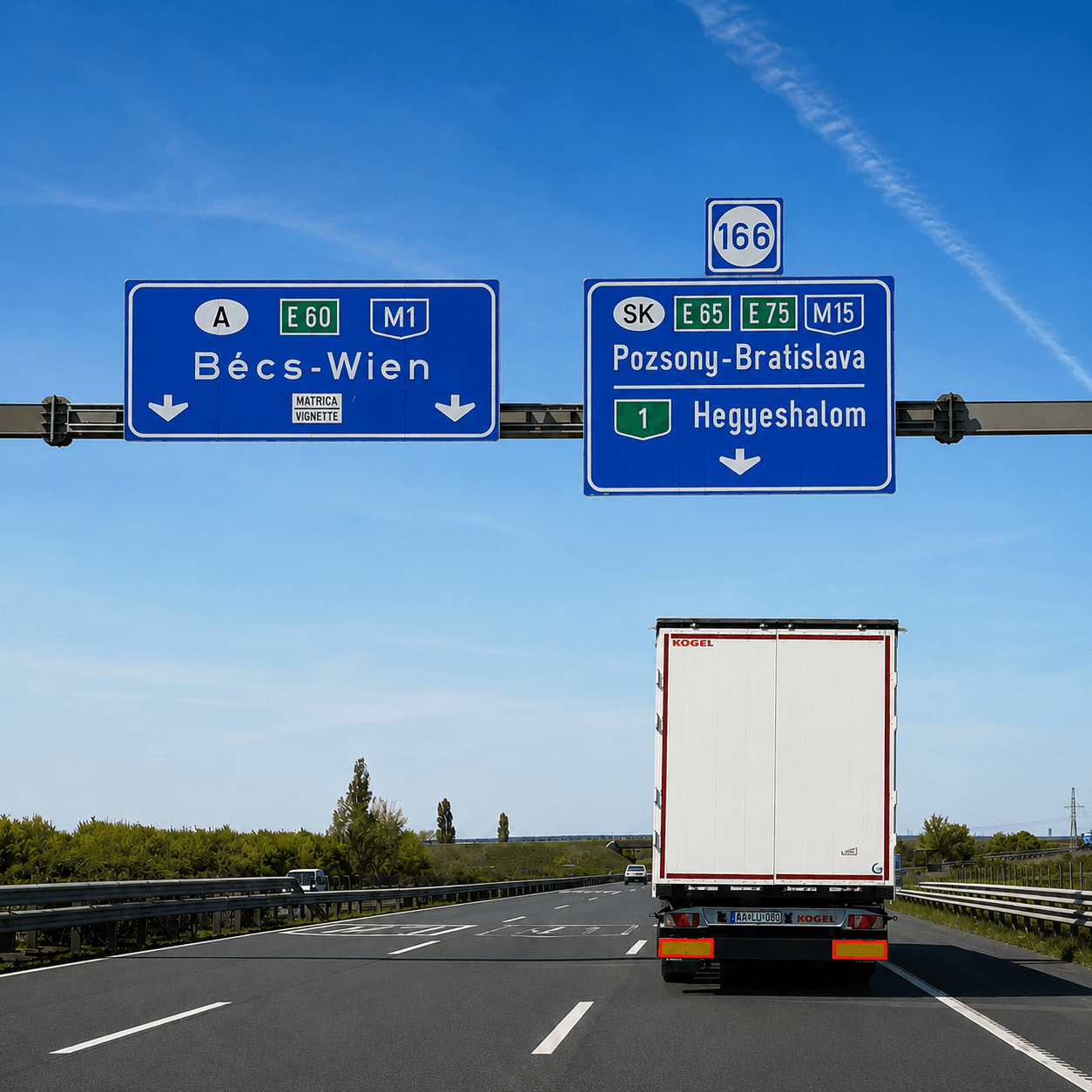

MonkeyEatingMango is an AI itinerary planner with no chat box. In August it asked eight quick multiple-choice questions, and about two minutes later you had a day-by-day itinerary, a food guide, a shopping guide, a daily budget, a booking checklist and a map.
When I started testing, the whole itinerary was free and opened without an account; only exports were paid. Within six weeks the product switched models: the start of the itinerary is free, and the full plan costs $9.99 per trip. More on that below.
The founder reached out and asked me to test it. I happened to be heading to Budapest with my family — August 10–16, my wife and our eight-year-old daughter.
I ran the tool a week before we left, with our real dates, our real family and our real starting city, and took the itinerary with me. A week later I ran it again with different inputs, and six weeks later a third time, to see what had been fixed.
Two caveats you need before reading further.
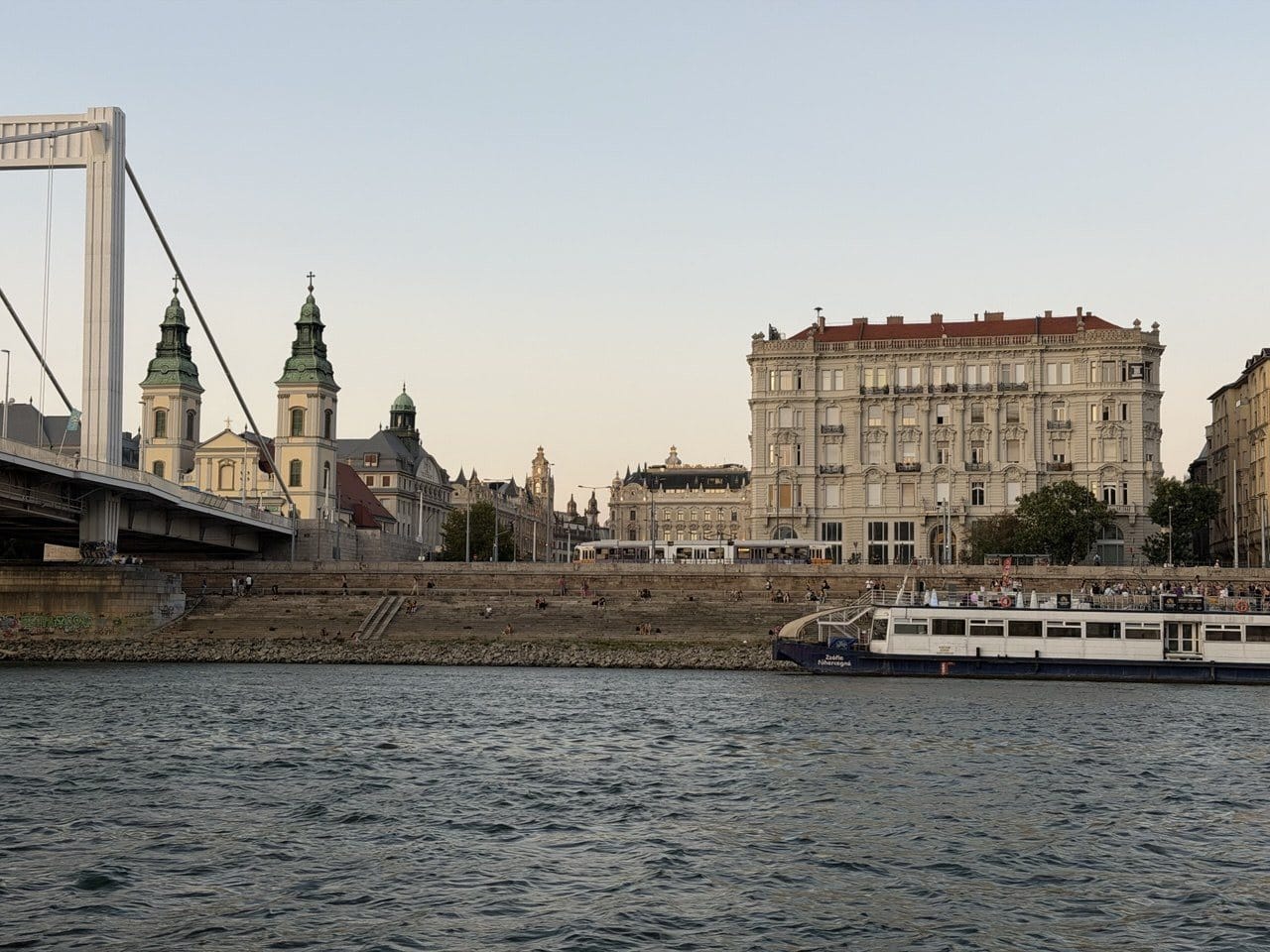
First: we barely followed the plan. I worked from morning to evening on every day except the first two, while my family rested at the hotel and visited the malls nearby. Out of the nineteen attractions in the itinerary, we crossed paths with exactly one — Parliament, from the river one evening.

Second, and it follows from the first: I did not test the quality of its recommendations, and I won’t pretend I did.
What I tested instead turned out to be more interesting: what assumptions the plan rests on, where it gets its facts, and what happens to those facts in a real city.
What the AI itinerary gave me
Seven days, nineteen attractions — two or three stops a day. For a family with a kid, that’s sensible. Most planners cram the day full; this one doesn’t.
Beyond the itinerary: a food guide, a shopping guide, a calendar of festivals and holidays, budget tips, a booking checklist, a getting-around section, a packing list and a map.
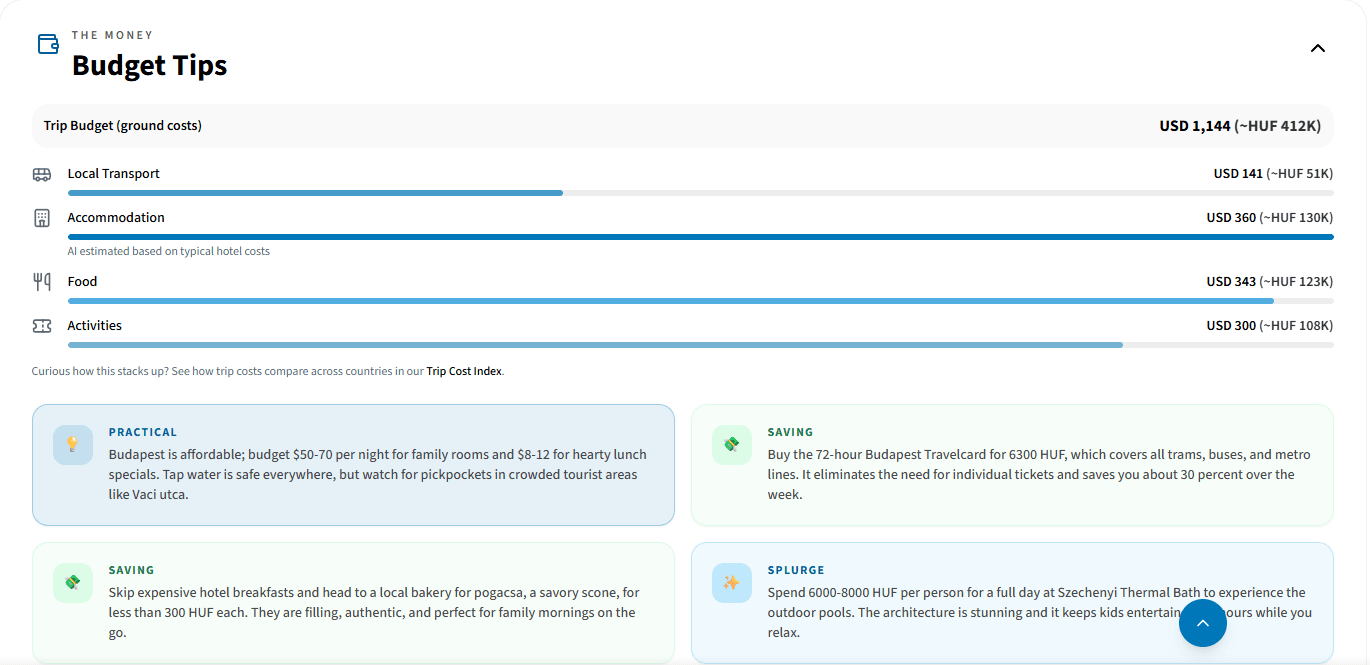
I didn’t enter a budget figure — I only picked a budget tier. The tool estimated ground costs at $1,144 for the three of us for the week, split like this:
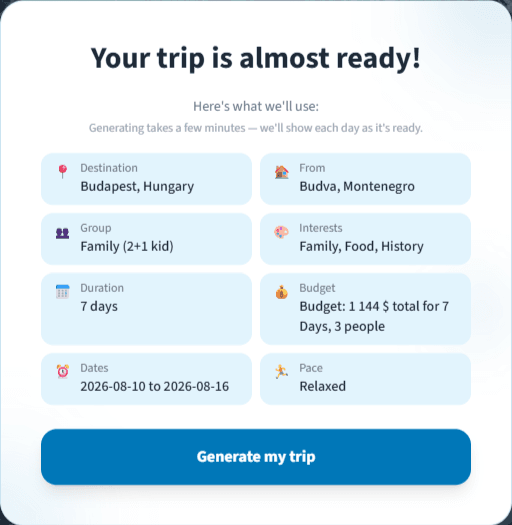
| Category | Amount |
|---|---|
| Local transport | $141 (~51K HUF) |
| Accommodation | $360 (~130K HUF) |
| Food | $343 (~123K HUF) |
| Activities | $300 (~108K HUF) |
The accommodation line is honestly labeled: “AI estimated based on typical hotel costs.” It doesn’t pass the number off as fact. That matters, and it’s to its credit.
It never asked why I was going
Eight questions: where, from where, who’s coming, what you’re into, when, budget, pace, transport.
There’s no question about the purpose of the trip. So it built me a perfect tourist week — Széchenyi Baths, the zoo, Fisherman’s Bastion, the Children’s Railway — for a work trip where I spent four of seven days in an office from morning to evening.
That’s not a data error. It’s an assumption that every trip is a vacation.
It made up both ends of the trip
The first item in the itinerary: “8:00 AM — Arrive at Budapest Ferenc Liszt International Airport,” $41, with ways to get into town.
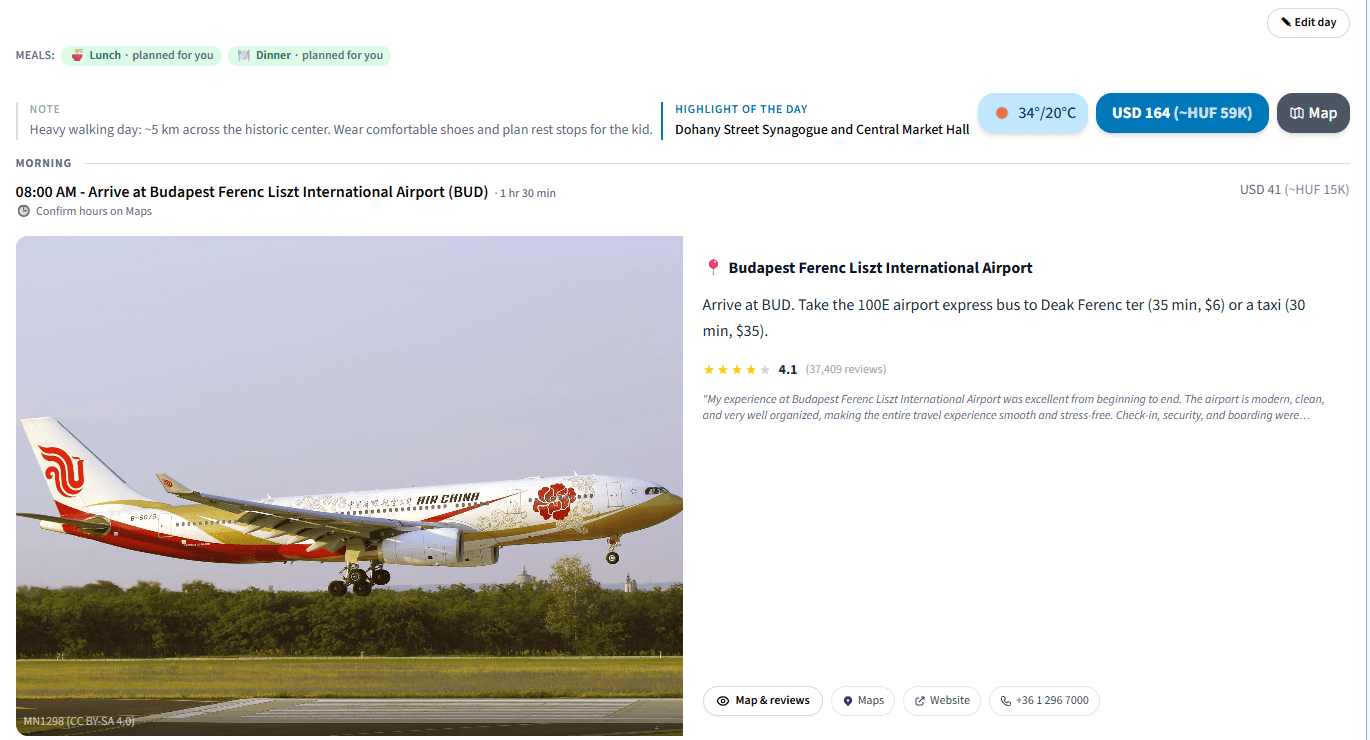
The last day: “4:00 PM — depart BUD,” with an “airport transfer for your flight home to Podgorica.”
Let me be precise here. I said we were leaving from Budva — that’s true. The departure and arrival airports, the flight times both ways and the very fact of a Podgorica–Budapest flight were all filled in by the tool.
In reality, as people in this region often do, we left at 5 a.m. by car for Dubrovnik and flew from there. We landed around 4 p.m. The flight home was in the evening.
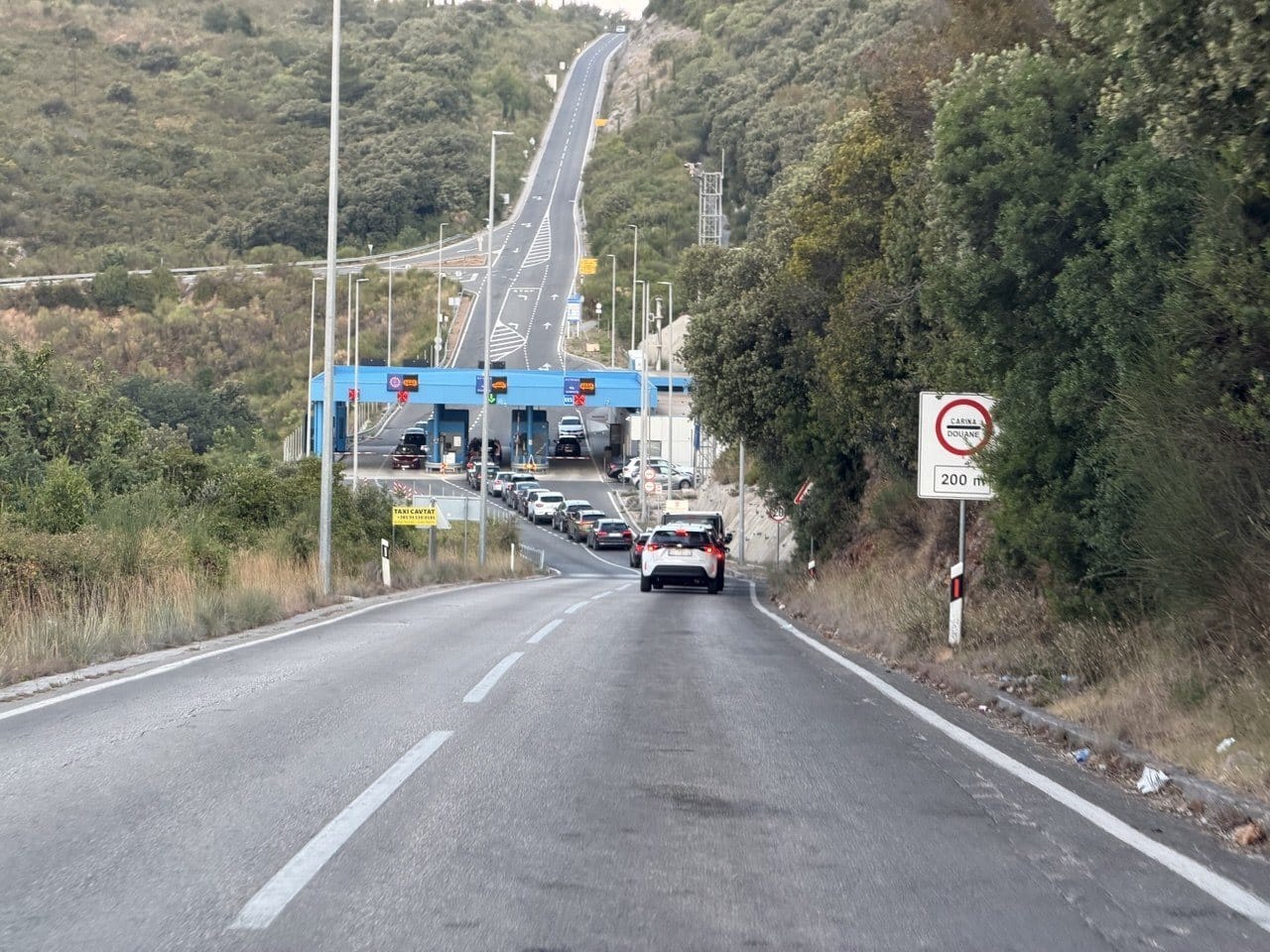
Here’s what was doable on day one:
| Time in the plan | What was actually happening |
|---|---|
| 8:00 — land at BUD | we were still driving to the border |
| 12:00 — lunch near Váci utca | our flight left at 14:10 |
| 14:00–16:00 — Great Synagogue | we were in the air |
| 16:30–18:00 — Central Market Hall | we had just landed |
| 19:30 — dinner | the only thing that survived |
Four out of five items were impossible before the day even started.
I asked the founder why there’s no question about flights. His answer was straightforward: it’s a deliberate trade-off. He wants to show a plan as fast as possible and let people adjust the details afterward; an editing screen is in the works.
That’s a fair position. But the cost is concrete: if the tool guesses your arrival time wrong, you lose day one entirely — and you find out while the day is already happening.
The driver asked
Our hotel offered a free airport transfer. The day after I booked, they messaged me to confirm my phone number.
On August 9 a man wrote on WhatsApp: “I’m your driver.” He asked for our flight number, where we were flying from and when we’d land.
When we touched down, he sent a welcome message, his license plate, the exact pickup spot and a short video showing how to walk there from baggage claim.
On the way he mentioned the forecast had said 93°F, but the car was reading 100°F outside. He warned us the next day would hit 104°F before things eased off.
A planner holding my whole itinerary, my family and my dates never asked about my flight. The hotel driver asked in his very first message, two days ahead.
It didn’t just skip my passport — it invented one
The August checklist said: “Check Montenegrin passport validity (6+ months remaining)”, and the packing list said “Biometric passport (Montenegrin).”
I never said anything about citizenship. It inferred it from my starting city.
All three of us travel on Ukrainian biometric passports. The visa section of the same document listed rules for US, UK, EU, Australian and Indian citizens. Nothing about Ukraine.
This isn’t nitpicking. On the ticket page of the Museum of Fine Arts, almost every discount — youth, senior, family — is for EU citizens only, and one more is for Hungarian citizens only.
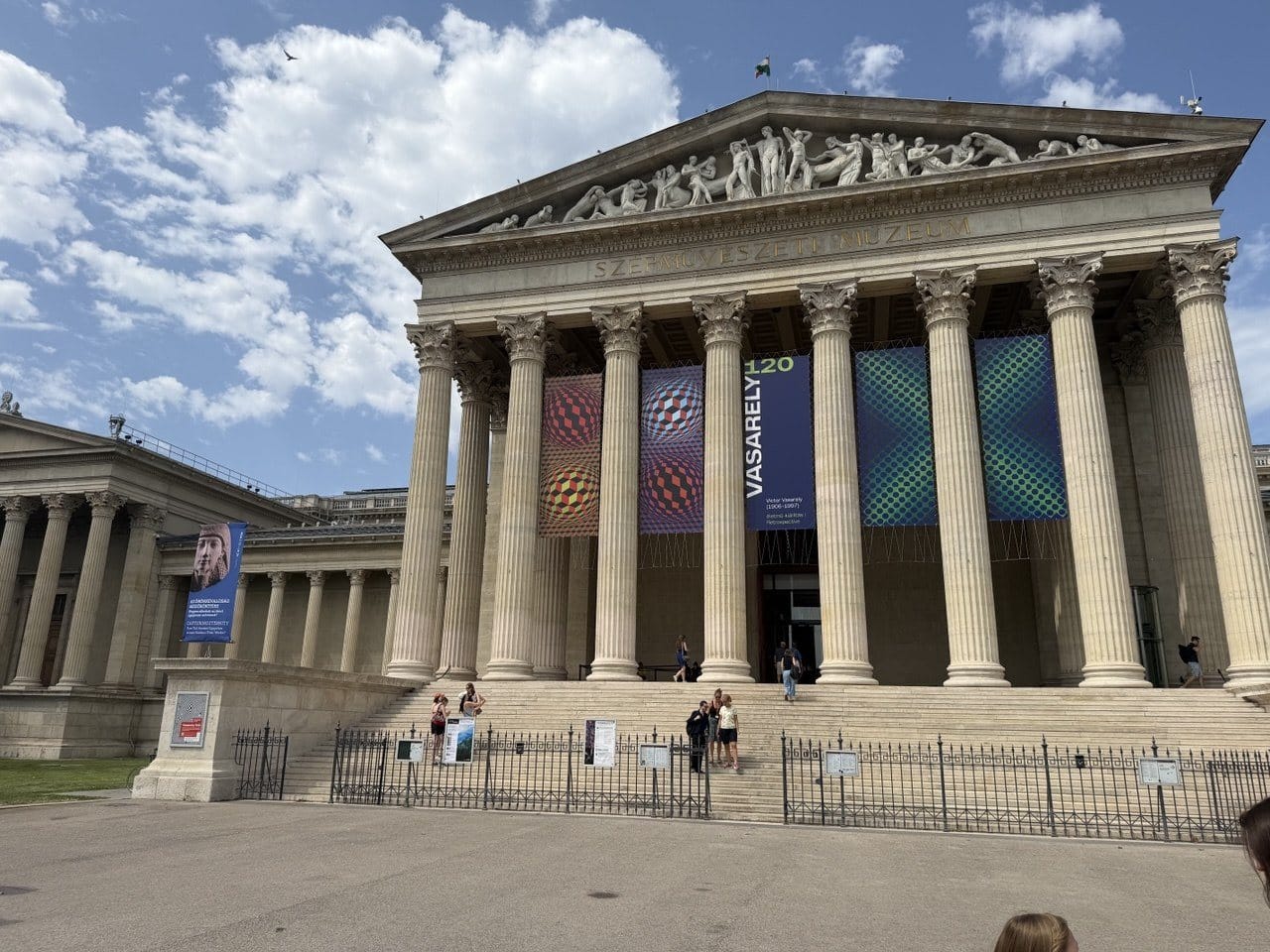
We paid full price for all three of us, our daughter included: 3 × 5,800 = 17,400 HUF (about $48).
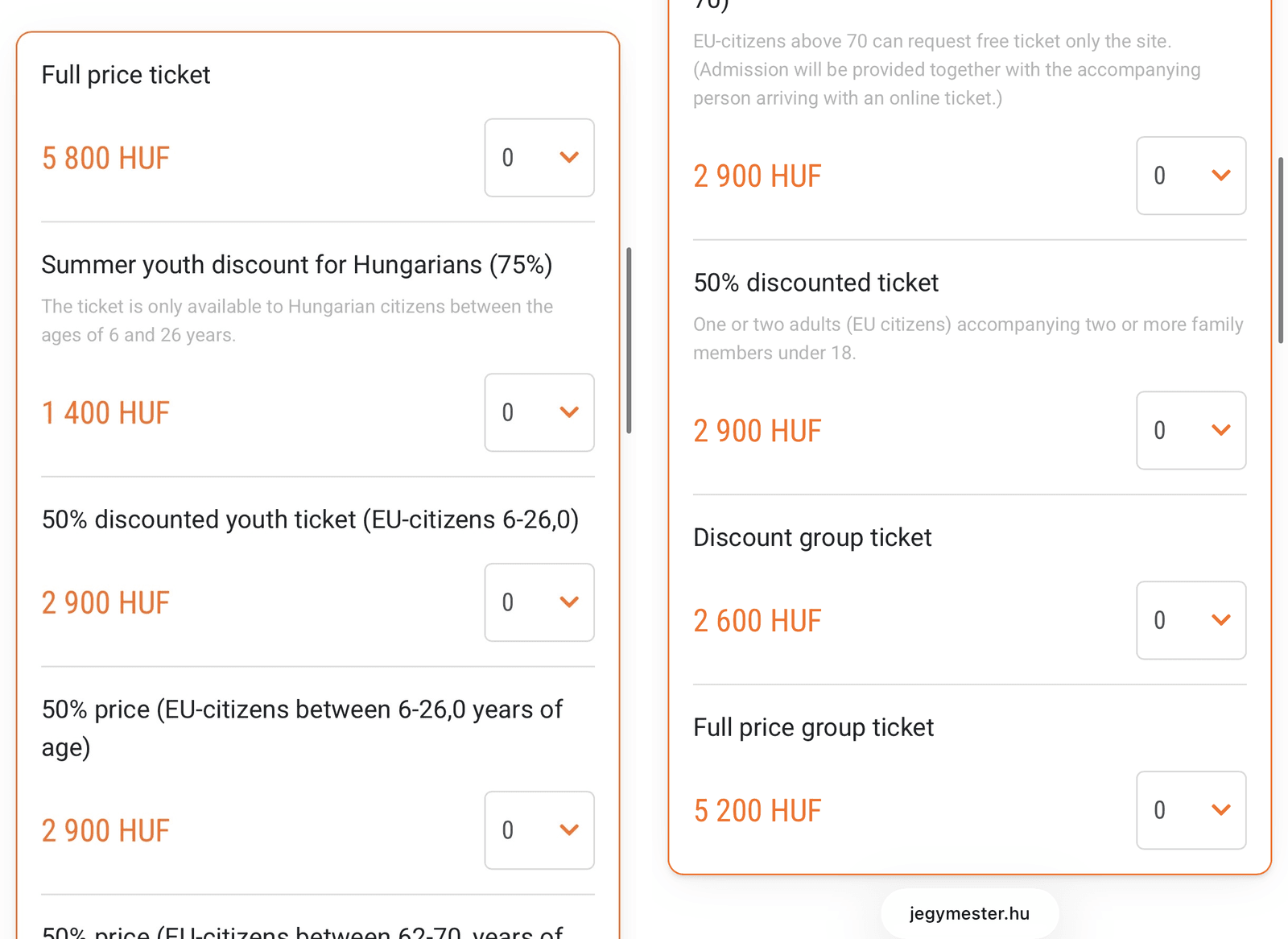
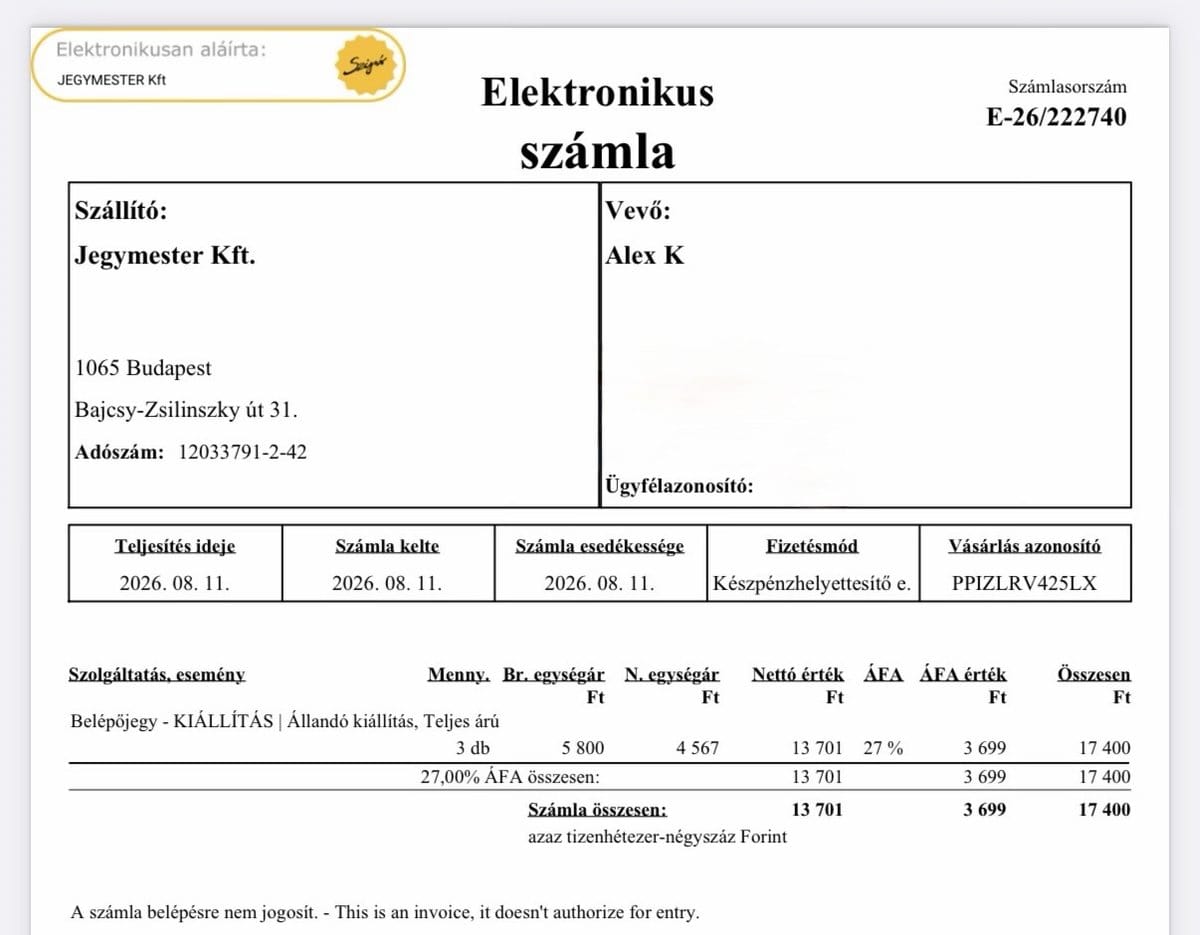
Your citizenship decides half the price tag at almost any major sight in the city. The plan didn’t ask — it guessed. And a reader can’t tell the guess from a verified fact: both look equally confident.
(What happened to this six weeks later is below, in “Six weeks later.”)
The budget: three lines, three different outcomes
Transport — checks out
$141 for the week is about 7,300 HUF a day for three people. The tool assumed public transport and separately suggested the 72-hour Budapest Travelcard for 6,300 HUF.
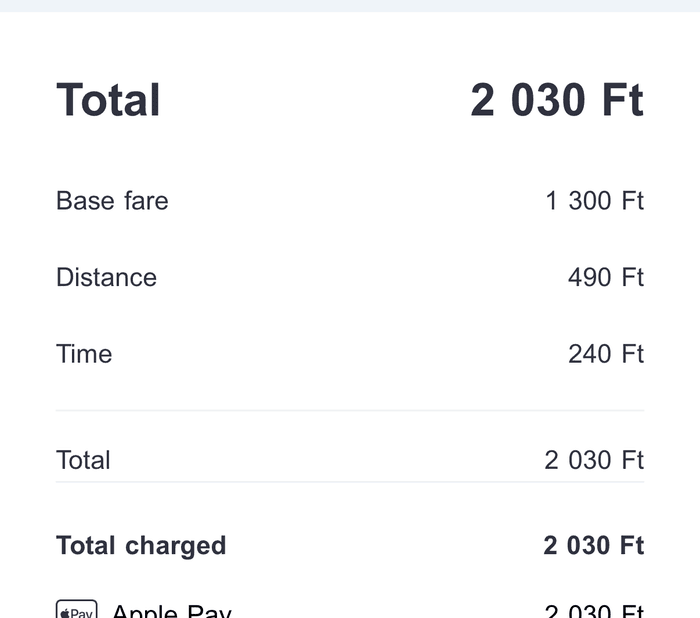
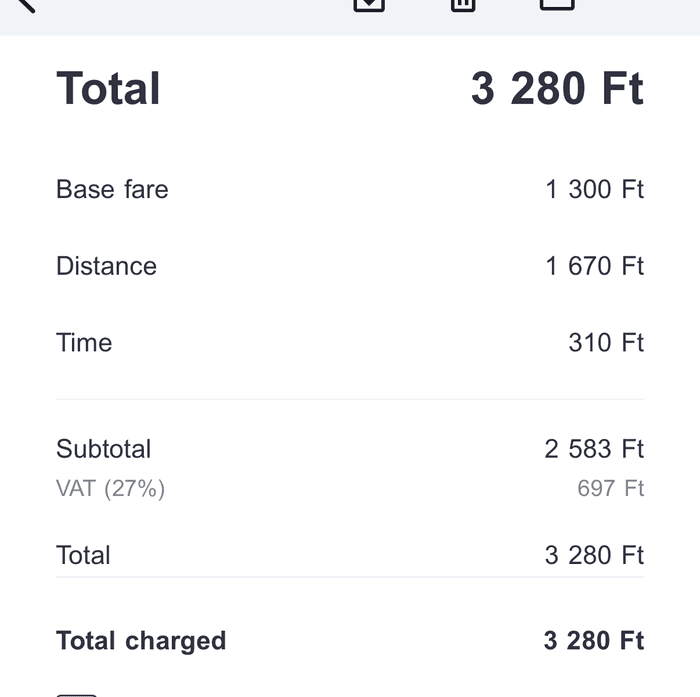
We took taxis because it’s easier with a child: 2,030 HUF on day one, 3,280 on day two (about $6 and $9). That fits the budget comfortably. This line works — and that deserves to be said just as clearly as everything else.
Accommodation — it checked out, until it didn’t
From the budget tips: “Budapest is affordable; budget $50–70 per night for family rooms.” At its own exchange rate, that’s roughly €49–69.
I checked on Booking.com: central District VII (Erzsébetváros), our exact dates, two adults and a child, one room. I checked twice.
On August 9, the day before check-in: the cheapest option was €325 for six nights — about €54 a night. That’s inside its range. To be fair: that evening, the line held up.
On another day that same week, same search: 57 properties, and the cheapest was a hostel triple room at €588 for six nights — about €98 a night. And that’s the members-only price; the regular one was €653. The next two options were €643 and €654.
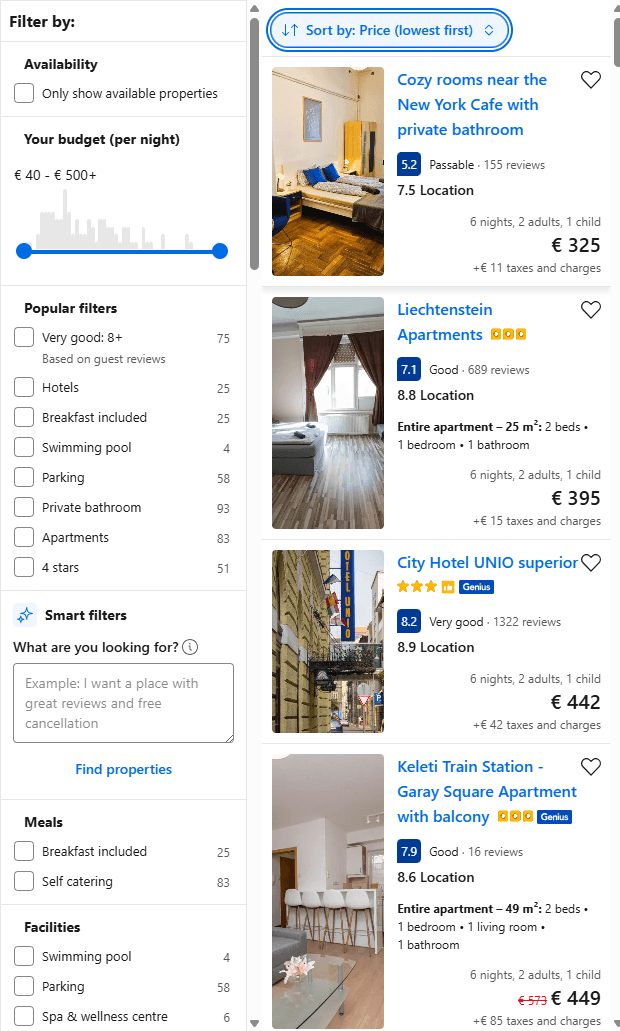
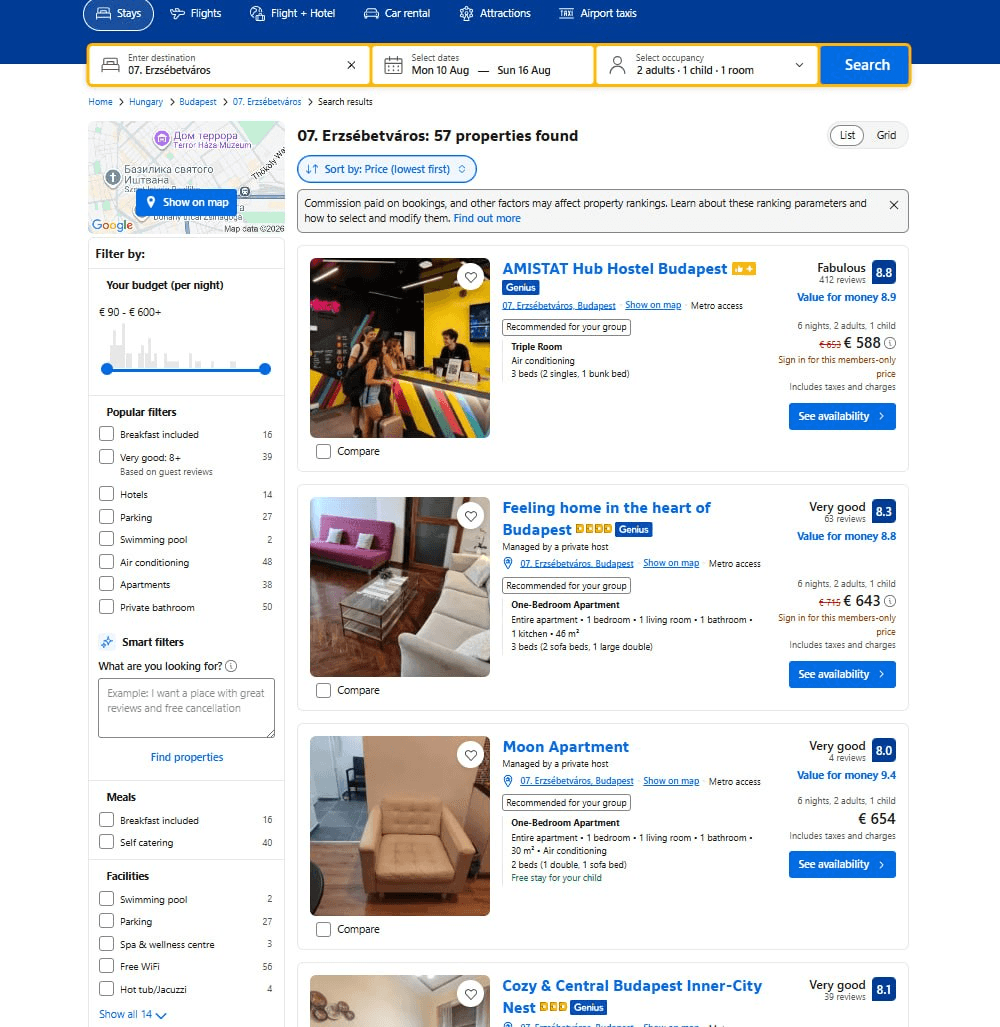
We stayed in neighboring District VIII for €118 a night.
So the $50–70 range was right at one moment — and stopped being right within days. And here’s the key part: the tool itself warned that my dates overlapped with the Sziget festival — two days of overlap, flagged “High cost (2x)” and “Extreme crowds.”
It knew prices would double. And it left the range without any buffer.
The warning and the estimate live in the same document and never talk to each other.
Food — doesn’t check out
The tip: “$8–12 for hearty lunch specials” — roughly 2,900–4,300 HUF per person at its rate.
| Where | Per person |
|---|---|
| Kawamura, ramen | 4,550 HUF (~$13) |
| La Turka (@laturkarestaurant — Facebook), mixed grill | 5,500 HUF (~$15) |
| Trófea Grill, buffet | ~8,300 HUF (~$23) |

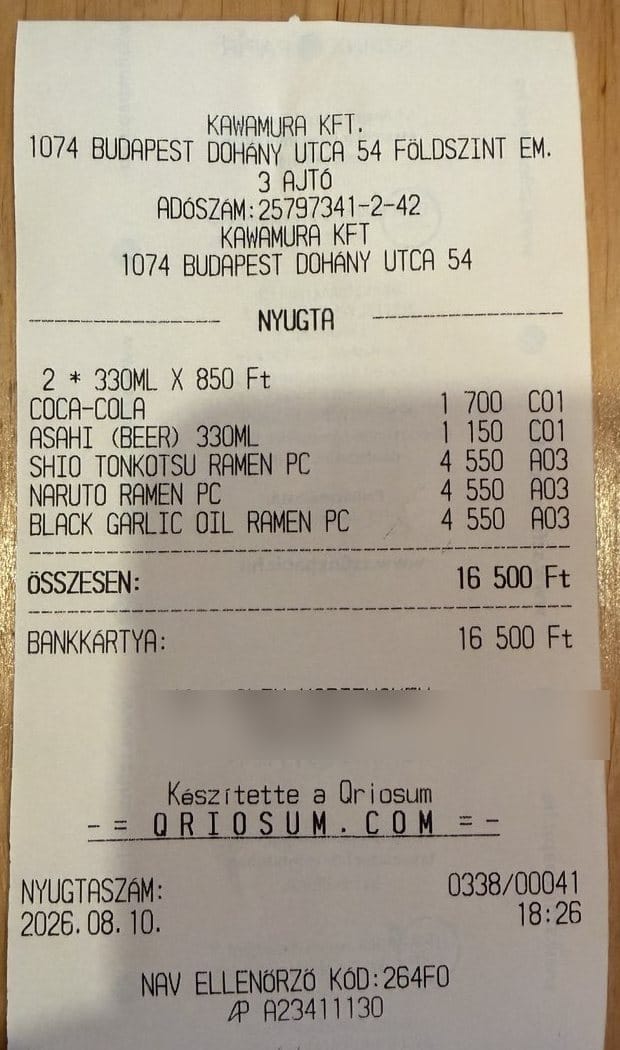
Not one dinner fit under the upper limit, the most ordinary one included. The daily food budget — about 17,600 HUF for three — holds up on a normal day. It doesn’t hold up on the days you go somewhere well known. On a week-long trip, there are always such days.
Opening hours: the most interesting part
The tool claims an hours check: it compares each day’s plan with listed opening hours and flags three cases — closed that day, opens after you arrive, closes right after you arrive.
A card that argued with itself
The Dohány Street Synagogue card showed two different closing times at once. The badge: “Closes 4 PM · 2h here.” One line below, in the hours list: “Monday 10:00 AM–8:00 PM.” The plan followed the badge and scheduled the visit for 2:00–4:00 PM.
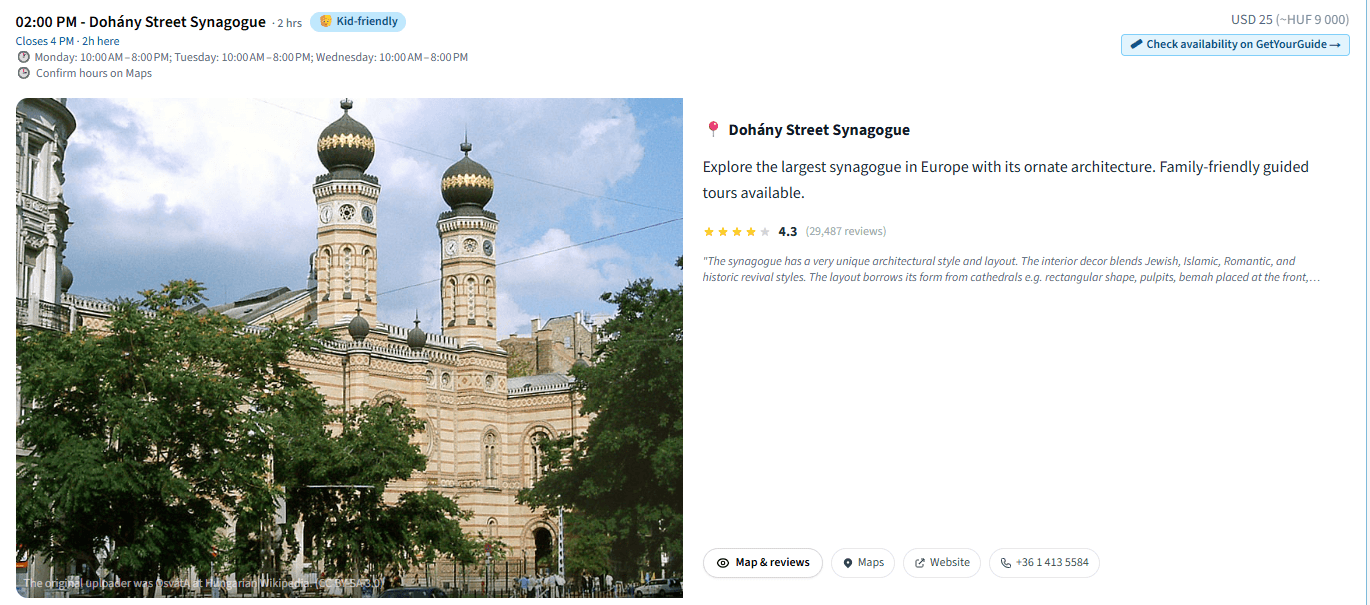
I sent this to the founder. It was fixed the same day — a bug in the code. Easy to verify: reload the same itinerary link, and the badge is gone.
Central Market Hall: not its mistake
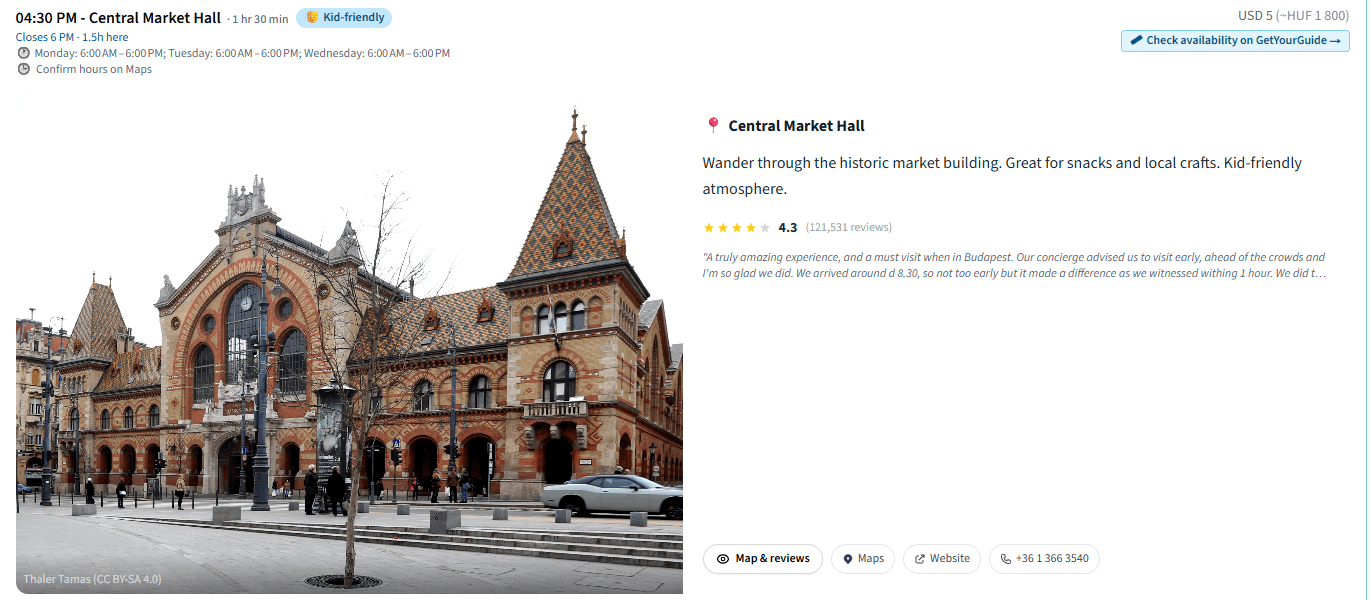
In the plan: Monday 6:00 AM–6:00 PM. Visit at 4:30–6:00 PM.
On August 16 I walked up to the gate and photographed the sign:
Hétfő 6-17. Monday until 5 p.m.
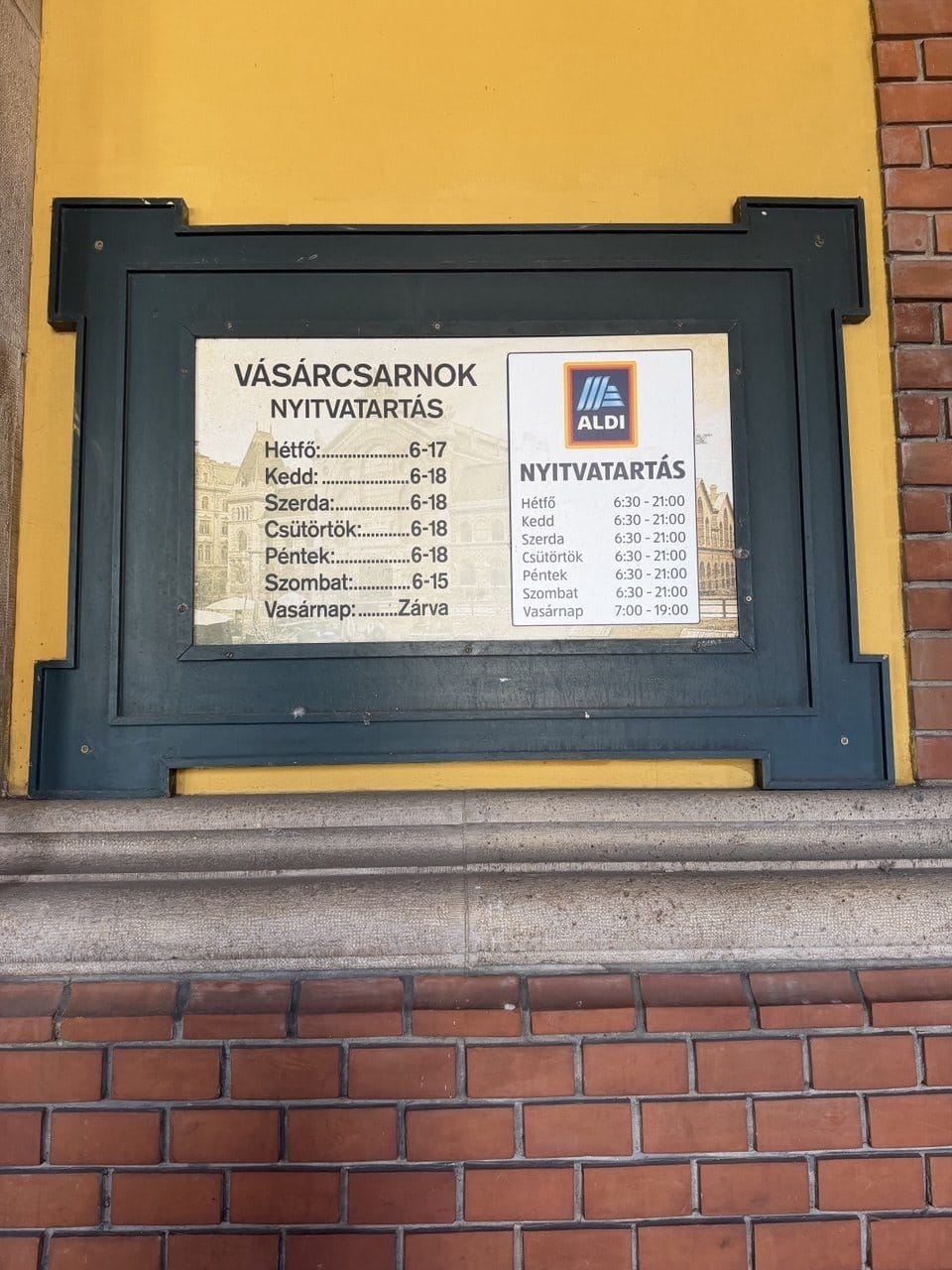
One hour off. Following the plan, we’d have arrived half an hour before closing — exactly the “closes right after you arrive” case it promises to catch.
The flag didn’t fire, and not because the check is bad. The founder explained it plainly: these hours come from Google Places and are copied verbatim.
I opened Google Maps. Monday: 6:00–18:00. And right under the hours: “Confirmed by phone call 5 weeks ago.”
So Google doesn’t lack the data. Google has wrong data that it considers verified.
I submitted a correction through “Suggest an edit,” with a photo of the sign attached.
On September 26, six weeks later, I opened the listing again. Monday — still 6:00–18:00. And the line under the hours now read: “Confirmed by phone call 11 weeks ago.”
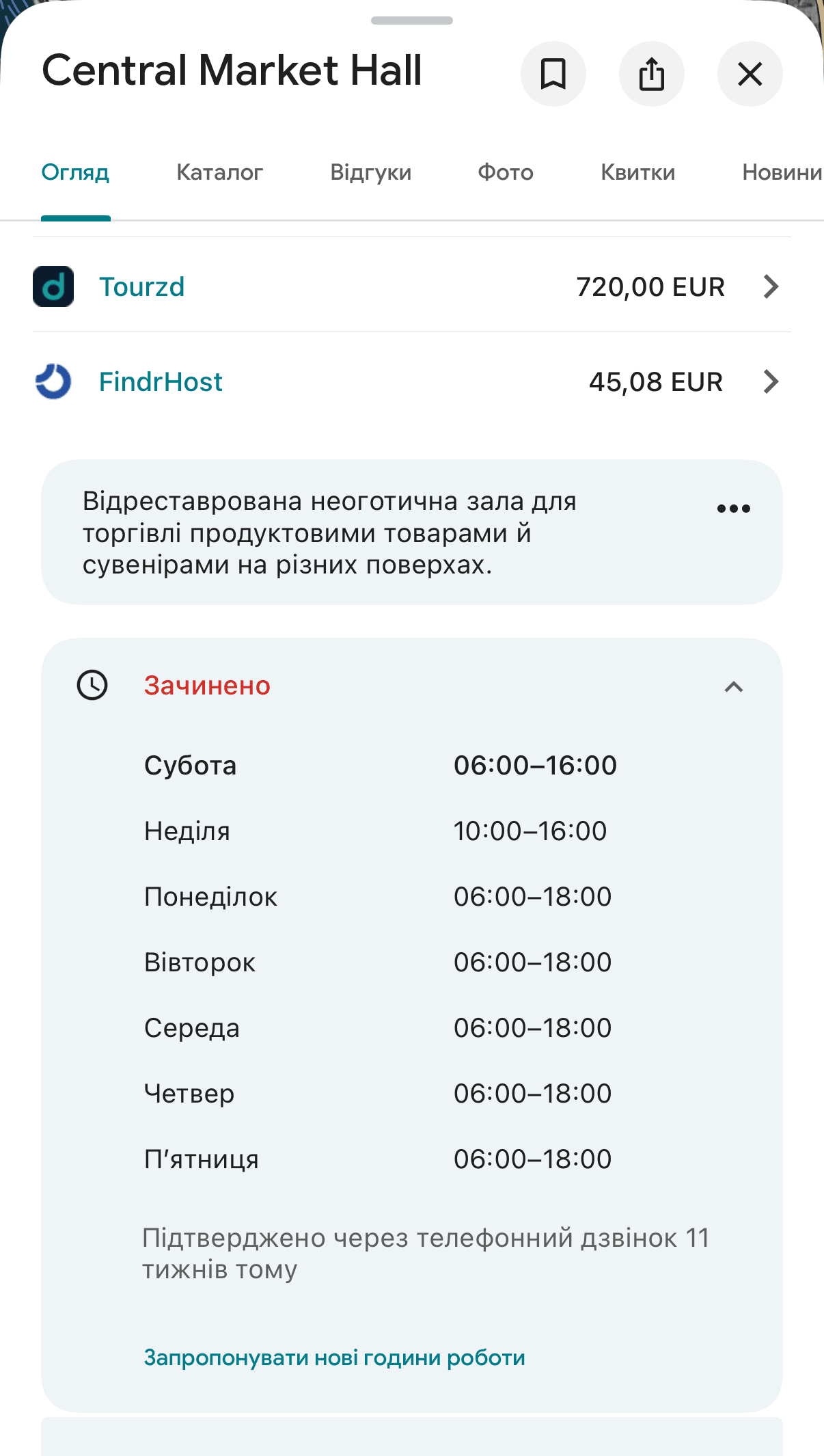
Exactly six weeks had passed, and the verification stamp had aged by exactly six weeks. In that time nobody called back, nobody rechecked anything, and nobody accepted the correction with the photo of the sign. The error doesn’t just exist — it doesn’t fix itself, even when someone points straight at it.
The “confirm hours on Maps” link that every place in the itinerary carries wouldn’t have helped here — Maps shows the same wrong time.
Google is wrong. And so is every planner that pulls hours from Google. Which is nearly all of them.
And it contradicts itself on the same page
From the tips section: “Visit the Central Market Hall at 8 AM, before the cruise ship crowds.”
In the plan, the visit is at 4:30 PM.
A holiday it knows about but doesn’t connect
On the same market gate hung a second notice: closed all day on August 20. St. Stephen’s Day, Hungary’s national holiday.
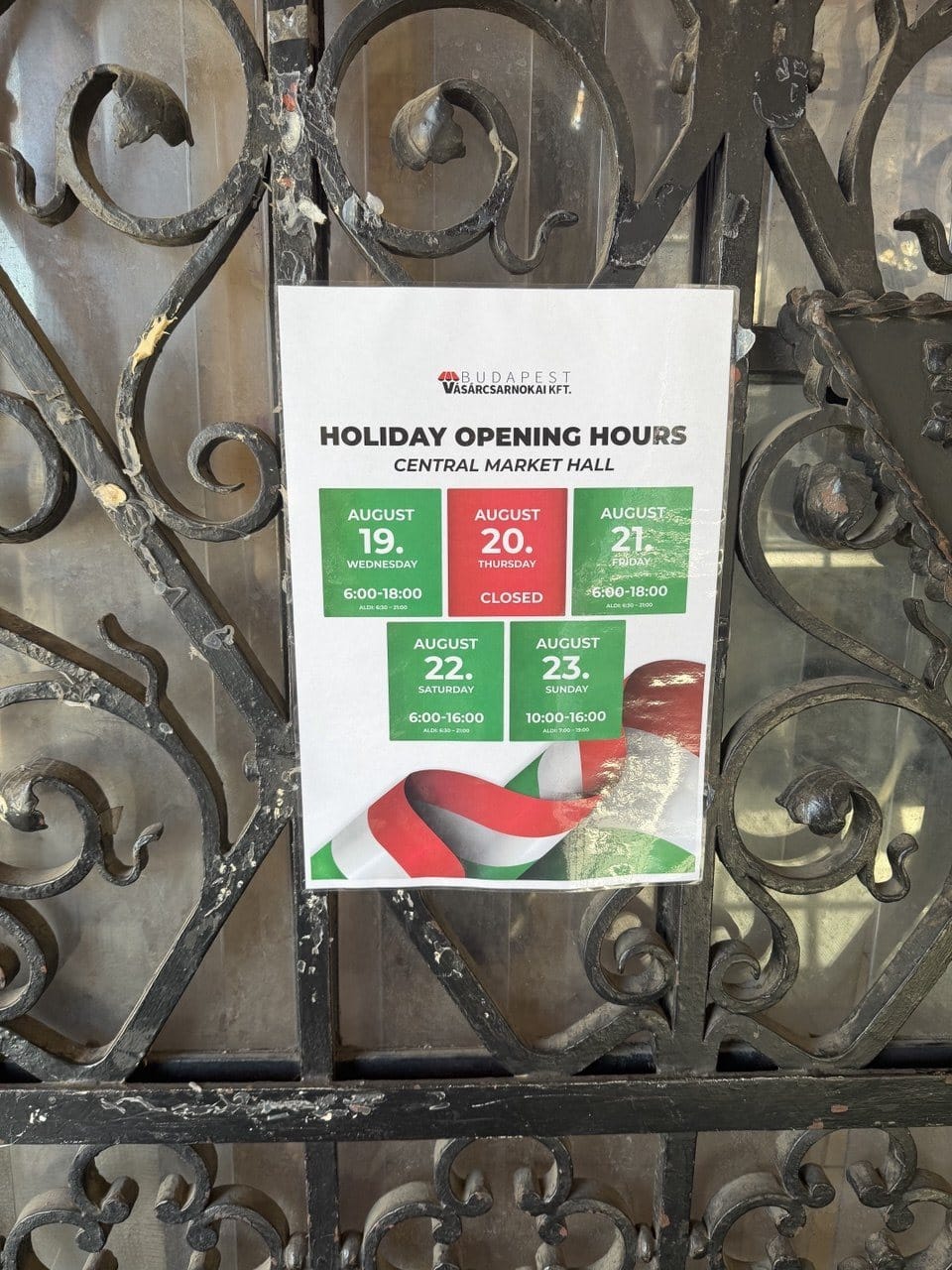
I went back to the itinerary to see if the tool knew about it.
It did. Under “Consider Shifting Your Dates”: “St. Stephen’s Day (Hungarian National Day), Aug 20, 2026, starts 4 days after your trip ends.”
The data is inside the product. The date is right. The holiday just lives there as a calendar event — “what’s happening near your dates” — with no link to opening hours.
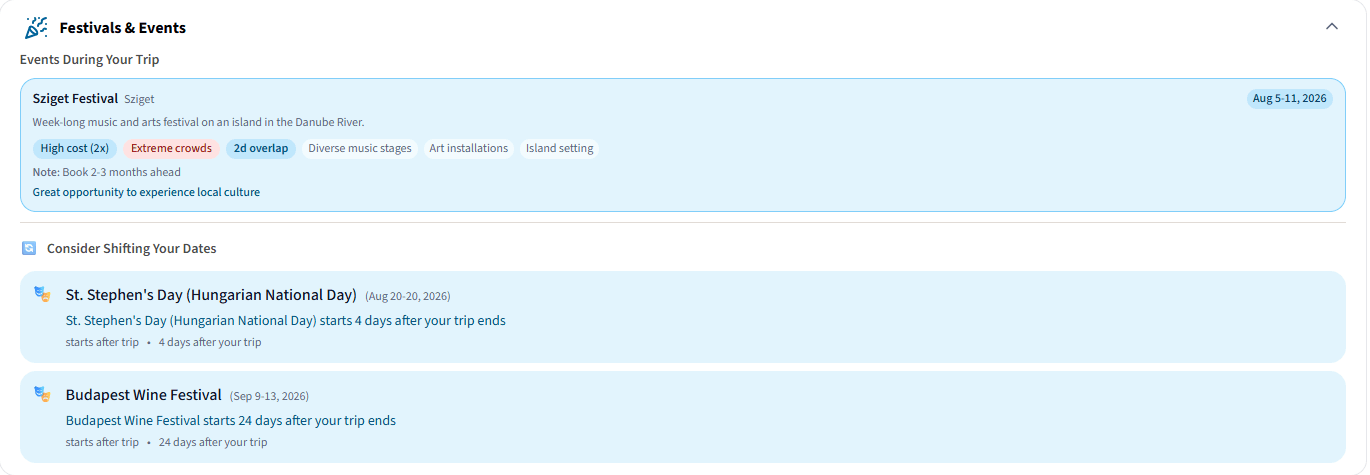
The founder confirmed it: he invested in festival data because people sometimes travel for festivals, but crossing that data with closing hours hadn’t occurred to him.
That may be the most valuable thing to come out of this trip: not a bug, but a gap in how the problem is framed. And it’s a shared gap — none of the planners I’ve seen do this.
Second run: the same thing, somewhere else
A week later I ran the tool again with different inputs: Budva → Budapest, August 23–30, a Mid-Range budget, Comfortable pace, transport on auto-select.
The pace I chose never made it to the result. I picked Comfortable in the form. The summary card said Relaxed. My input quietly disappeared somewhere between the form and the output.
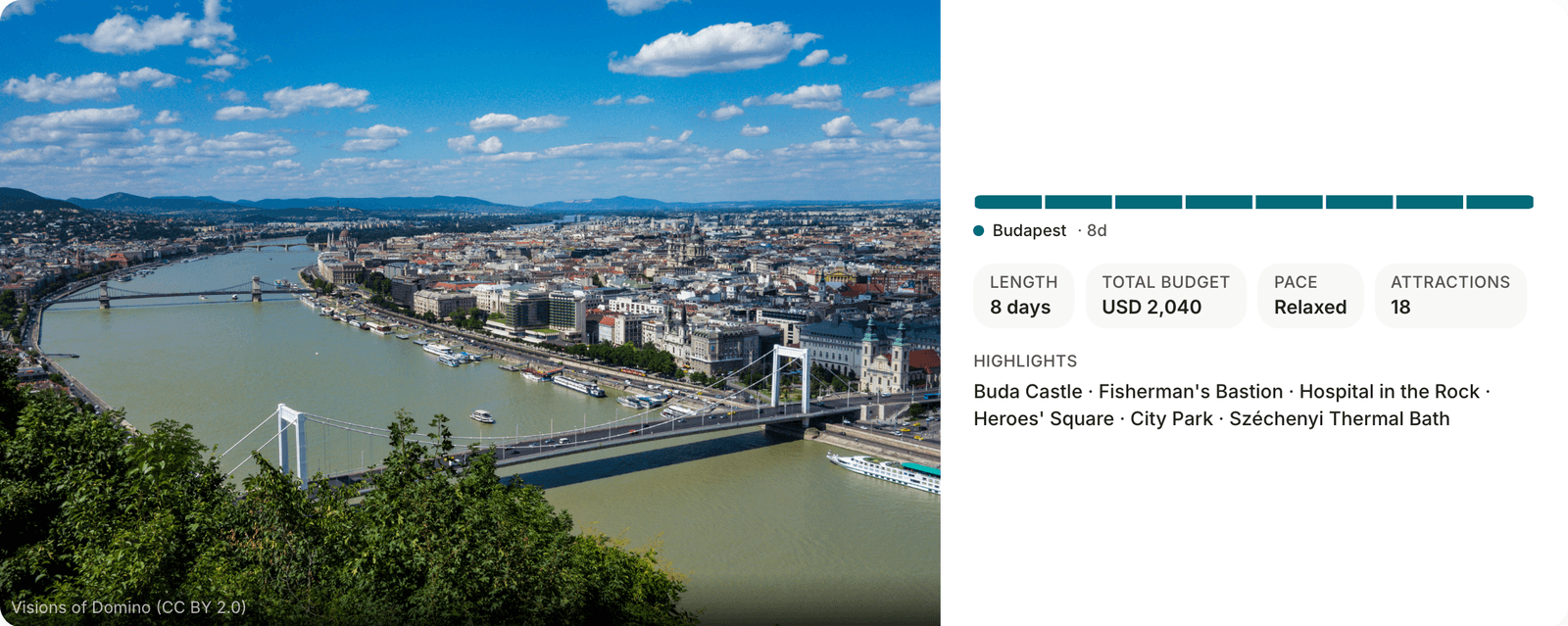
Auto-select planned a drive from Budva and put about eleven hours behind the wheel on day one. With an eight-year-old.
The contrast with how it handles walking is telling: in the Budapest plan, day one is honestly flagged as a “Heavy walking day: ~5 km across the historic center. Wear comfortable shoes and plan rest stops for the kid.”
It flagged the walking load. It didn’t flag the driving load. The same missing connection as with the holiday: the data is there, the warning isn’t.
I sent both findings to the founder.
The same AI itinerary, six weeks later
On October 1 I ran the tool a third time — same inputs as the second run, for October 23–30: Budva → Budapest, a family with an eight-year-old, interests “family, history, food,” Mid-Range, Comfortable, transport on auto-select. Then I compared it with what I’d seen in August.
| What | August | October 1 |
|---|---|---|
| Questionnaire | 8 questions | 9 questions: “who’s coming” and “who’s in the family” are now separate |
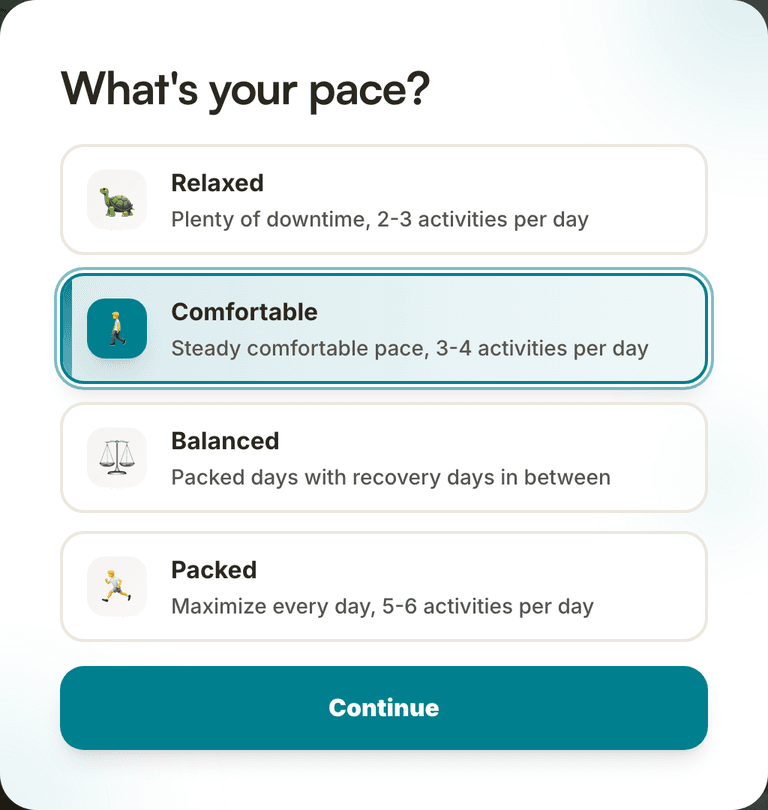
| Pace on the summary card with Comfortable selected | Relaxed | Comfortable |
| Day one from Budva | ~11 hours of driving, no warning | 10 hours of driving plus a warning |
| Passport in the checklist | “Montenegrin passport” | “Passport (valid 6+ months past your return)” |
| National holiday during the trip | in a separate events block, not in the day plan | right in the day-one plan |
| Accommodation guide | $50–70 a night (budget tier) | €75–101 a night (Mid-Range) |
| Food | dishes, no specific places | a dish plus specific venues “from Google” |
| Free to view | the whole itinerary | the start; later days are locked |
| Paid | exports — $4.99 | full itinerary and exports — $9.99 per trip |
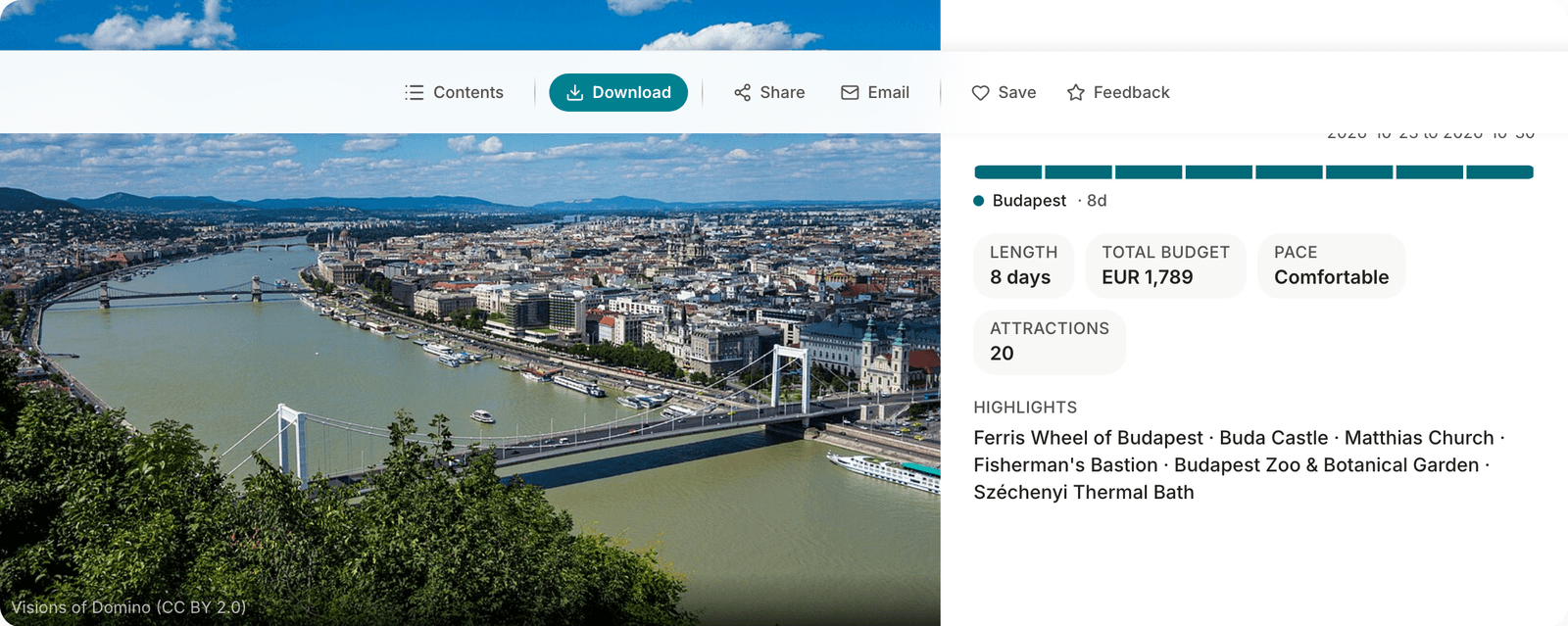
The driving warning now reads: “This is a long travel day of over 10 hours by car. Ensure you have scheduled breaks every 2–3 hours for the child.”
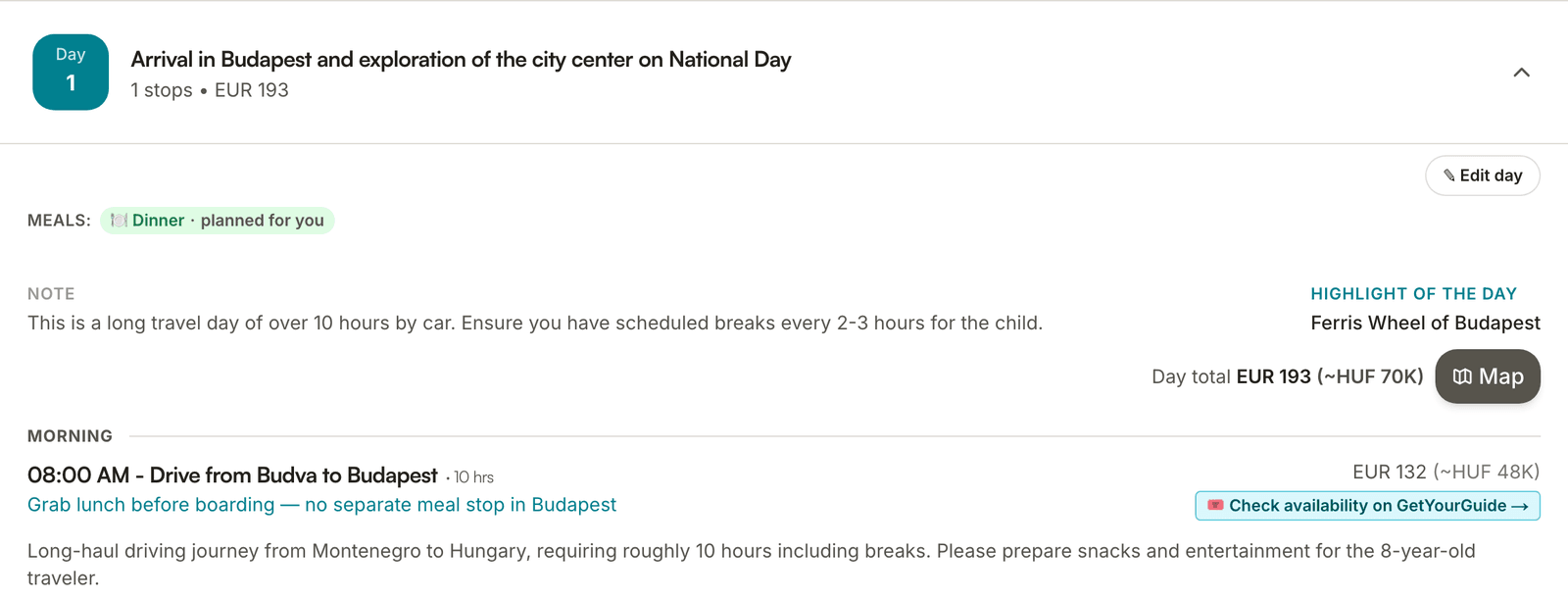
On passports, it stopped guessing. The visa section still lists rules for US, UK, EU and Australian citizens and tells everyone else to check the Hungarian consular website. It still doesn’t ask about citizenship — but it no longer makes one up. For ticket prices that changes little: the “EU citizens only” discounts are still there, and the plan still doesn’t know about them.

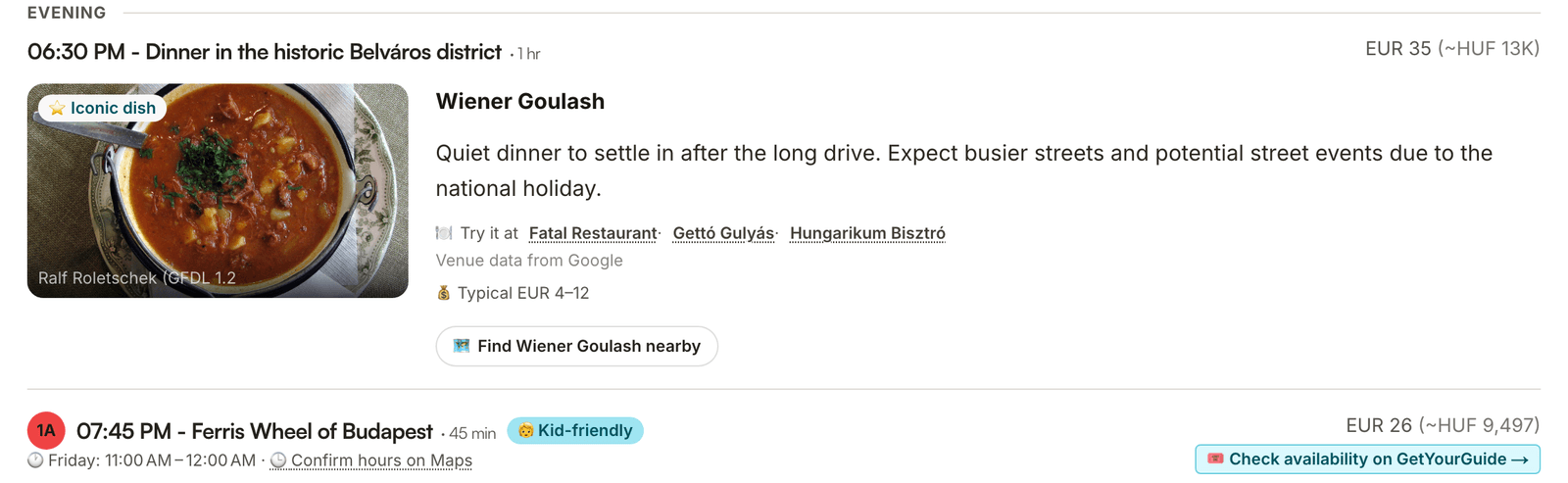
The holiday is the more interesting change. My October dates included October 23 — another Hungarian national holiday. Now the tool mentions it right in day one: “Arrival in Budapest and exploration of the city center on National Day,” “Expect busier streets and potential street events due to the national holiday.” The holiday finally made it into the plan itself.
But the link to opening hours isn’t there yet. Next to the only stop on day one, the Budapest Ferris Wheel, it shows the regular Friday schedule — with no note that it’s a holiday. I didn’t check whether the wheel runs normal hours on October 23. What matters more: in August the holiday lived in an events calendar; now it lives in the day plan. One step left to reach opening hours.
The accommodation guide went up — but it can’t be compared with August directly: my first run used the budget tier, the third used Mid-Range, and the October dates don’t overlap with Sziget. I’m noting it as an observation, not a fix.
The food approach changed, though. In August the tool deliberately recommended dishes rather than restaurants. Now each dish comes with specific venues, labeled “Venue data from Google.” More convenient — and also exactly where AI planners go wrong most often: restaurants close, and the data about them lives on.
And one change of a different kind — not a fix, but a new model. In those same six weeks, what the product charges for changed. That’s next.
Where free ends — and how that line moved
August. The start screen promised: “8 quick questions. Free. No signup.” And that’s how it worked: the itinerary generated in full — every day, every section. Only exports were paid: PDF, Word, Excel, Google Docs, Sheets, email — Google sign-in and $4.99 per itinerary.
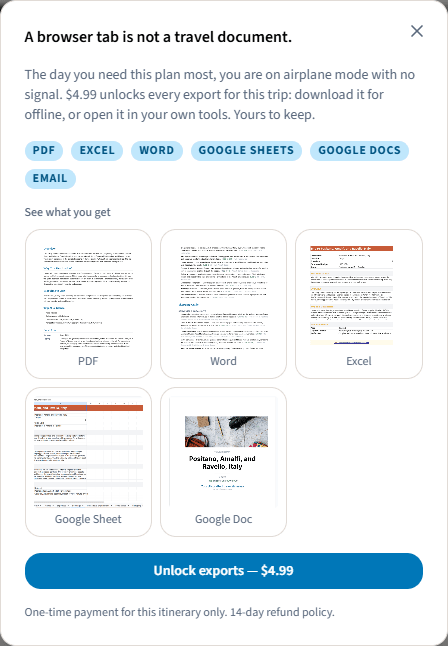
The purchase window made its case like this: a browser tab is not a travel document; the day you need this plan most, you’re in airplane mode with no signal.
A fair argument. And it cuts both ways: by the same logic, the free version wasn’t a travel document either. I showed that wording to the founder. His reply: no objection, write it that way.
October. You can still generate an itinerary without signing in. But the line now runs through the itinerary itself, not just exports. The payment window calls the free part a preview — “Preview this trip, day 1 of 8” — and later days carry a lock and an “Unlock the full trip — $9.99” button. One payment unlocks every day and every export and, as the window puts it, covers everyone you share it with.
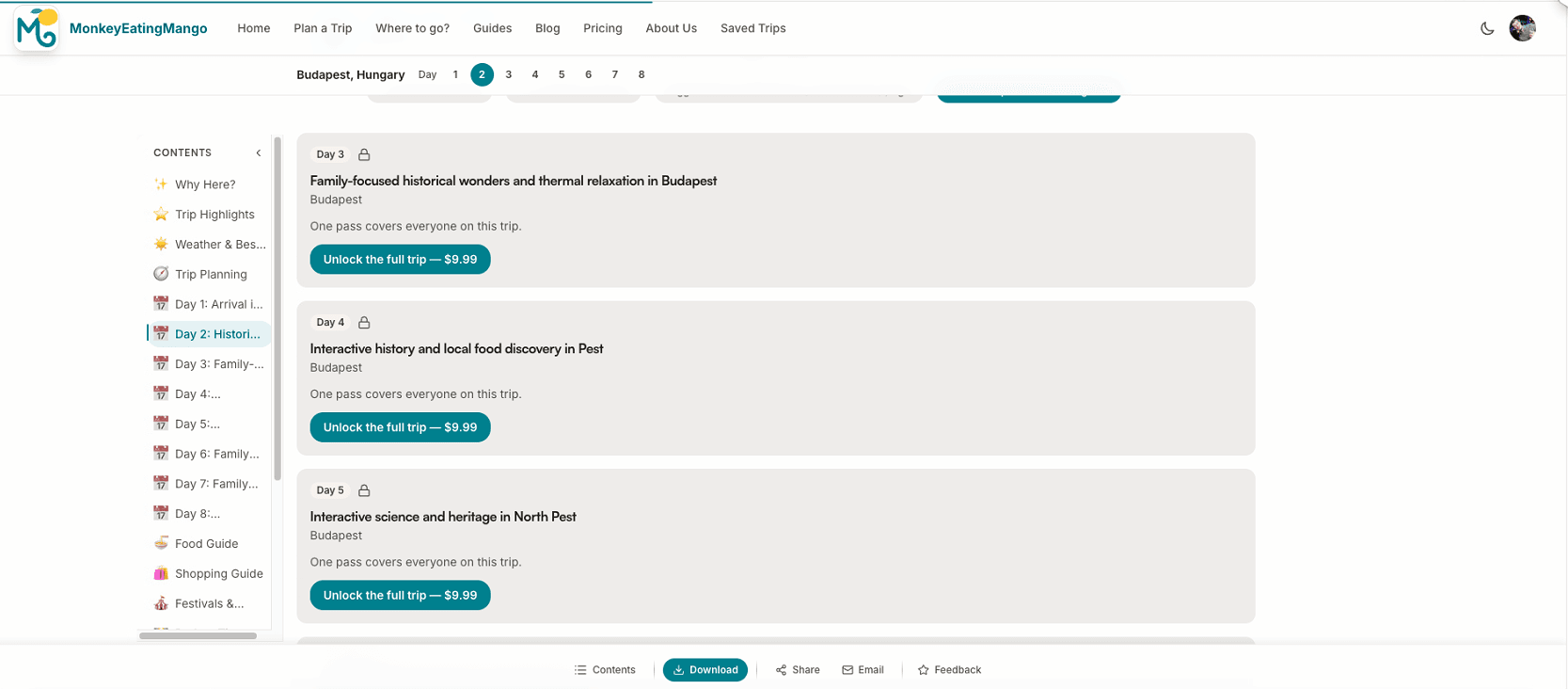
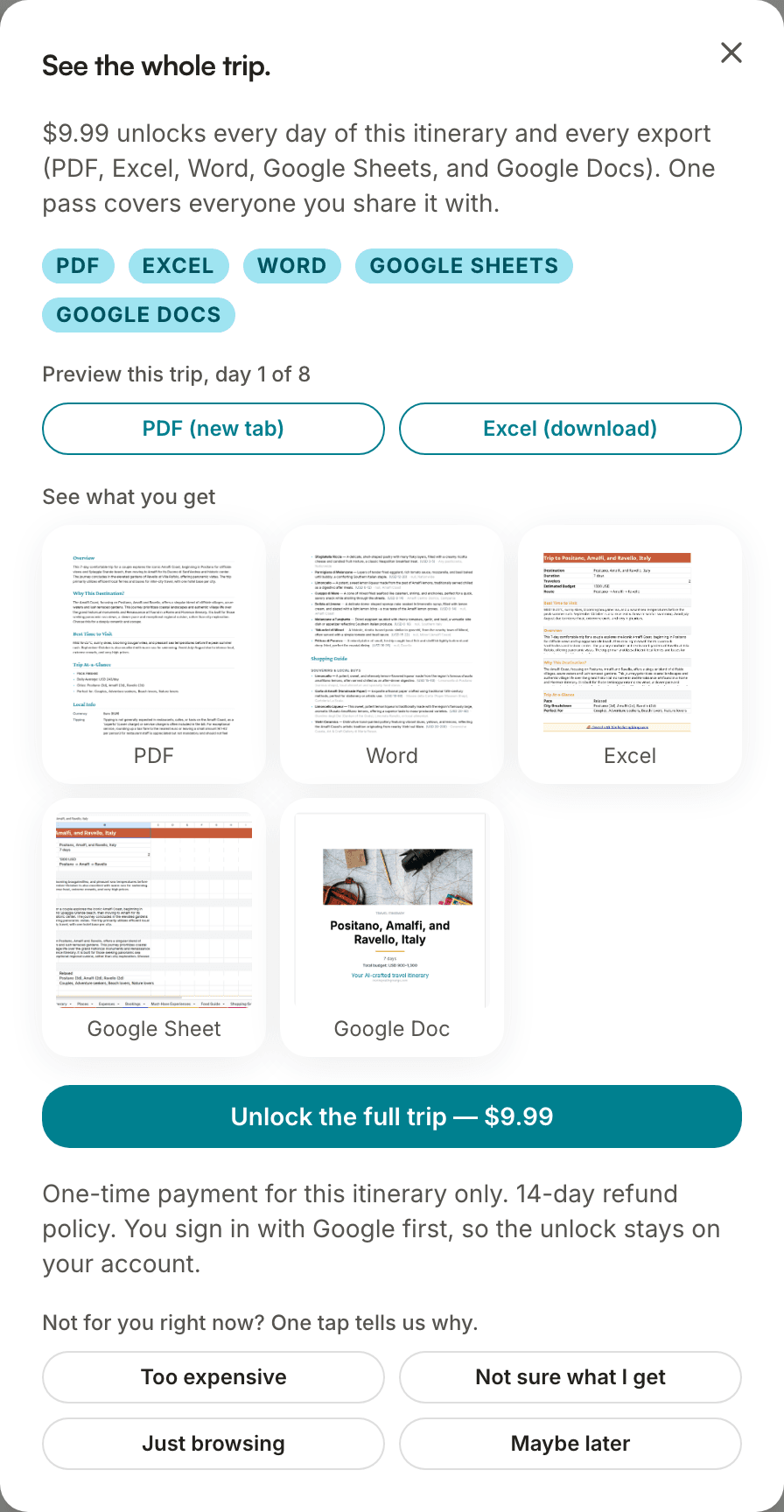
This isn’t a bait-and-switch. It’s a common step for a young product — from “everything’s free, pay for convenience” to “try the start, pay for the whole.” What matters more is the timing: it happened in the same six weeks in which the founder fixed nearly every issue I’d found. The product is alive and changing fast — in quality and in business model.
The practical takeaway for you is simple: the start of the itinerary tells you whether the tool fits, and the full plan for the whole family is a one-time payment.
(I didn’t buy anything for this review: in August the itinerary had a permanent share link that opened in full. Free-access terms are as of October 1, 2026; they’ve changed once and may change again.)
What it does well
It would be easy to write a teardown where everything broke. It would also be inaccurate.
It warns you about what it can see. Sziget during my dates — “High cost (2x),” “Extreme crowds.” And in a separate “Consider Shifting Your Dates” block, a holiday and a festival right after the trip. A tool that nudges you to move the very trip you opened it for is rare.
It doesn’t pretend to be the final word. Every place comes with a phone number, a rating, a review count and a “confirm hours on Maps” link. That’s a direct admission that the data may be stale.
It stays quiet when it doesn’t know. The founder explained that if a venue has no reliable hours data, the check flags nothing instead of making something up. That’s rare.
It keeps the day light. Two or three stops instead of eight — with a kid, that’s the difference between a trip and a forced march.
One more, in the founder’s own words, which I can’t verify: when the group includes a child, a second filter removes and flags unsuitable venues — a pub as the place for a family dinner, for example.
About the founder
Reviews usually don’t need this section. This one does.
I sent him every finding before publishing anything. He answered each one: he acknowledged the synagogue bug and fixed it within a day; explained that skipping the arrival time is a deliberate trade-off, not an oversight; fixed the lost pace; put the long-drive warning on his priority list; asked me to send real Booking prices, saying observed prices would change his mind; agreed to the export wording without argument; and said he’d never thought about crossing holidays with opening hours and would look for a solution.
The third run showed these weren’t just polite replies. Six weeks later, the pace reaches the card, the driving warning is in place, the made-up citizenship is gone and the holiday is in the day plan. In parallel, the product changed its pricing model — another sign that it’s being worked on every day, not once a quarter.
He also shared numbers that explain why the whole category trips over the same thing. According to his internal data, over 30 days and 36,614 search calls, his filters caught 253 places that AI had recommended but Google Maps marks as closed: 124 permanently, 129 temporarily. Those are his own figures, and I haven’t verified them. But they line up with what I saw myself: AI happily recommends places that no longer exist.
What I actually learned
Not whether its recommendations are good — I didn’t test that.
But this: a plan solves the preparation problem, and the friction shows up in the moment.
I bought museum tickets standing in the line — three minutes on my phone while the line moved. I booked an 8 p.m. Danube cruise at 5:10 p.m., over lunch. On our Lake Como trip, we saw the ferry line and took an almost-private tour instead.
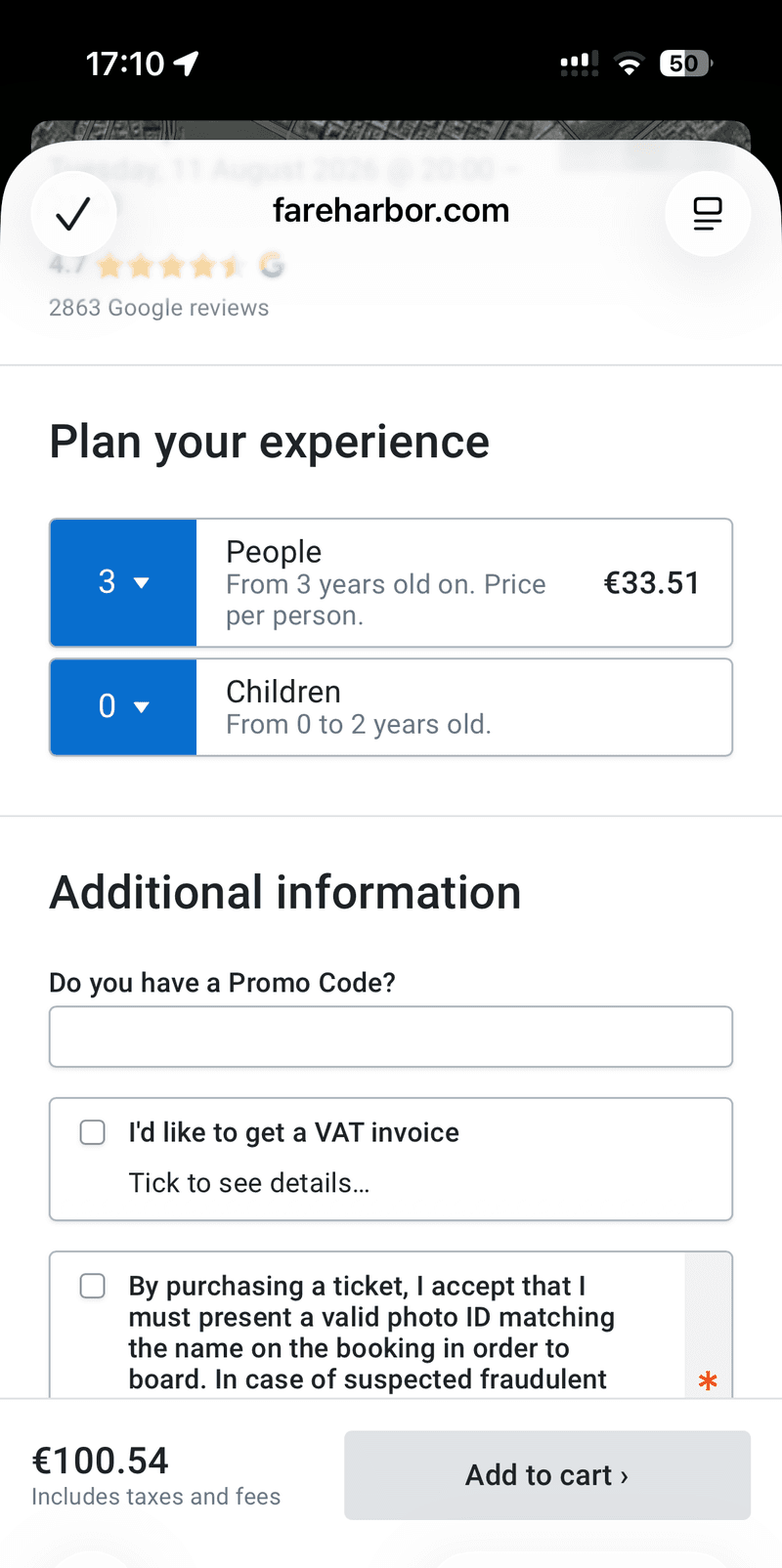
None of these decisions could have been made in advance. The information didn’t exist when the plan was made — the ferry line only exists right there, at that hour, while you’re standing in it. Just like a room price that nearly doubled within a few days.
Every planner, this one included, is built on the opposite model: plan ahead, book ahead. Real trips come together in pieces, in gaps, as the day goes.
That’s not a complaint about this product. It’s a description of where the whole category ends.
Verdict
In August: a fully free itinerary with no signup, paid exports only ($4.99). Now: the start of the itinerary is free; the full plan and exports are $9.99 per trip for the whole family.
What I verified in August: both ends of the trip were built on made-up flights; citizenship was guessed — and guessed wrong; the chosen pace got lost between the form and the result; a ten-hour drive with a child had no warning; and the accommodation guide was right the day before check-in but outdated within days — even though the tool itself knew about Sziget and doubled prices.
What I verified six weeks later: the pace reaches the result, the driving warning is there, the made-up citizenship is gone, and the holiday is in the day plan. Holidays still aren’t linked to opening hours. Arrival time still isn’t asked.
The surprise: the one-hour error in Central Market Hall’s hours isn’t the tool’s mistake — it’s a Google Places error that everyone inherits. Google considers those hours phone-verified, and six weeks after a correction with a photo of the sign, it still hasn’t fixed them.
The good: a light daily load, honest warnings, a phone number and a Maps link for every place, silence instead of invention where data is missing, and a founder who fixes what you show him — visible in the product, not just in his emails.
Would I plan a trip with it? As a first draft of day one — yes, once the arrival time is corrected. As the document you actually follow — no. Not this one, and not any other. No plan knows the market closes at five.
Tested on the ground August 10–16, 2026; prices and opening hours in the main text are as of those dates. Central Market Hall hours on Google Maps rechecked September 26, 2026. Third tool run and free-access terms as of October 1, 2026; Rome, October 2026. I have no affiliate relationship with MonkeyEatingMango: the product has no affiliate program, and I received nothing from it.
Update: the same tool in Rome, October 2026
In October, I gave MonkeyEatingMango a new trip: Rome, with our flight landing at 5:05 p.m. It made the same mistake: “You land around 8:30 AM,” and Day 1 started in the morning. It also ignored the hotel I named and based us in the Pantheon area. Days 1–2 were free; days 3–4 unlocked for $9.99.
One thing it got right: it scheduled Explora, Rome’s children’s museum, for Sunday — the museum is closed on Mondays — and we ended up there on that Sunday after another AI suggested it. It listed the price as €22; we paid €12 per person.
The full test: AI Rome Itinerary Test.
Related:
→ AI Rome Itinerary Test: 9 Planners vs. a Real Family Trip
→ Best AI Trip Planners 2026: 10 Tools Honestly Compared
→ AI Travel Agent: Honest Test of 3 Tools on a Real 4-Country Family Trip