Why I Tested an AI Family Trip Planner
Travelling with my wife and 8-year-old daughter changes everything about trip planning — and it’s where most AI travel tools quietly fall apart.
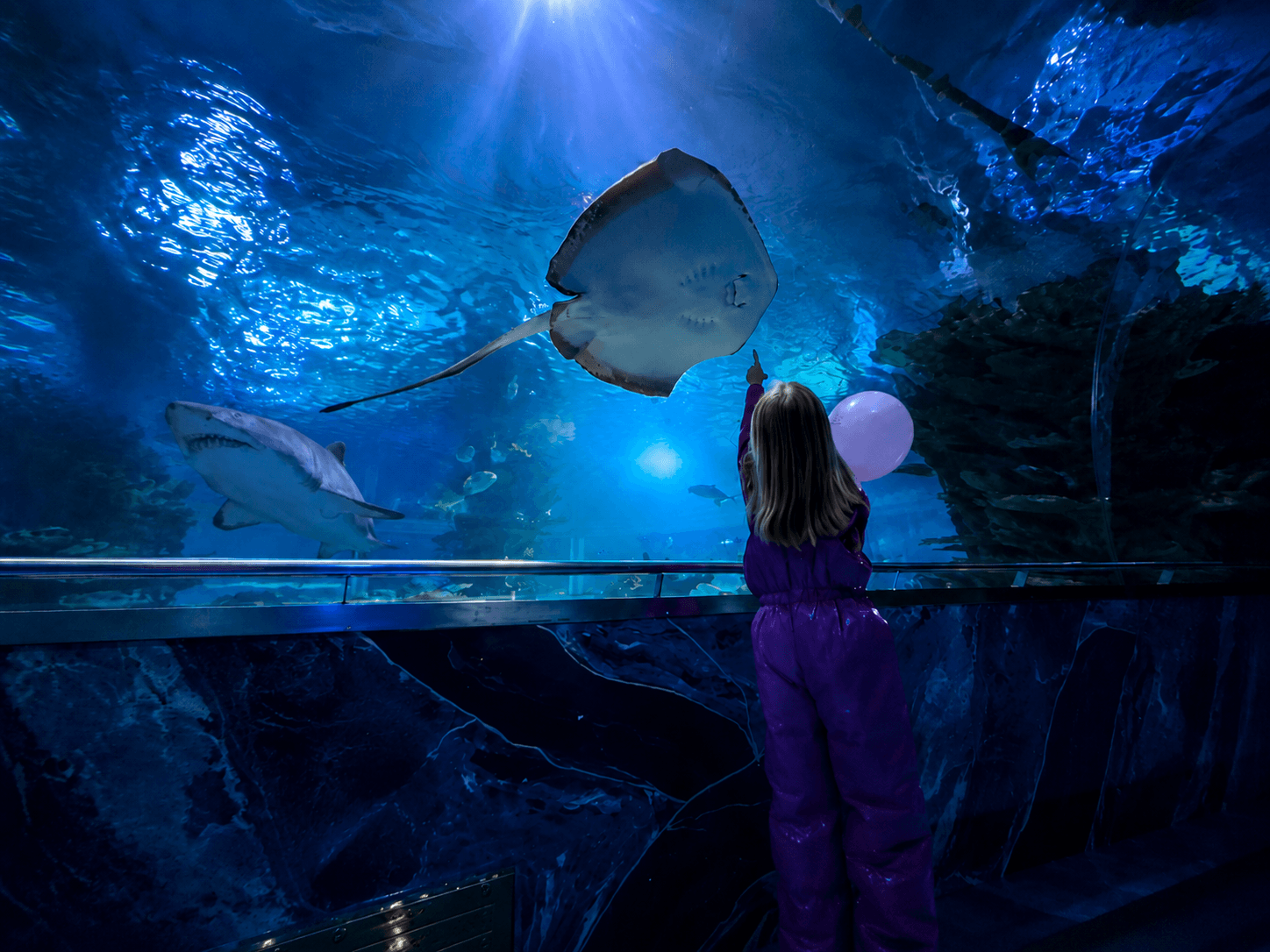
An adult couple can wing it: skip lunch, walk 15 km, rebook on the fly. With a child, you need playgrounds between museums, restaurants that serve dinner at 6 PM (not 8:30), and a hard stop when energy runs out. You need to know that Tropicarium in Budapest has a shark tunnel, rays gliding over the glass, and the kind of blue underwater room that can mesmerize your kid for an hour — and that no AI tool surfaced it as a must-do family highlight.
I recently completed an 8-day, 4-country road trip testing three AI travel agents — Mindtrip, iMean AI, and Layla — against what actually happened on the ground. That article covered the full test: hotel matching, vignette prices, hallucinations, final scores. This article asks a different question: how well does an AI family trip planner handle the specific needs of travelling with kids?
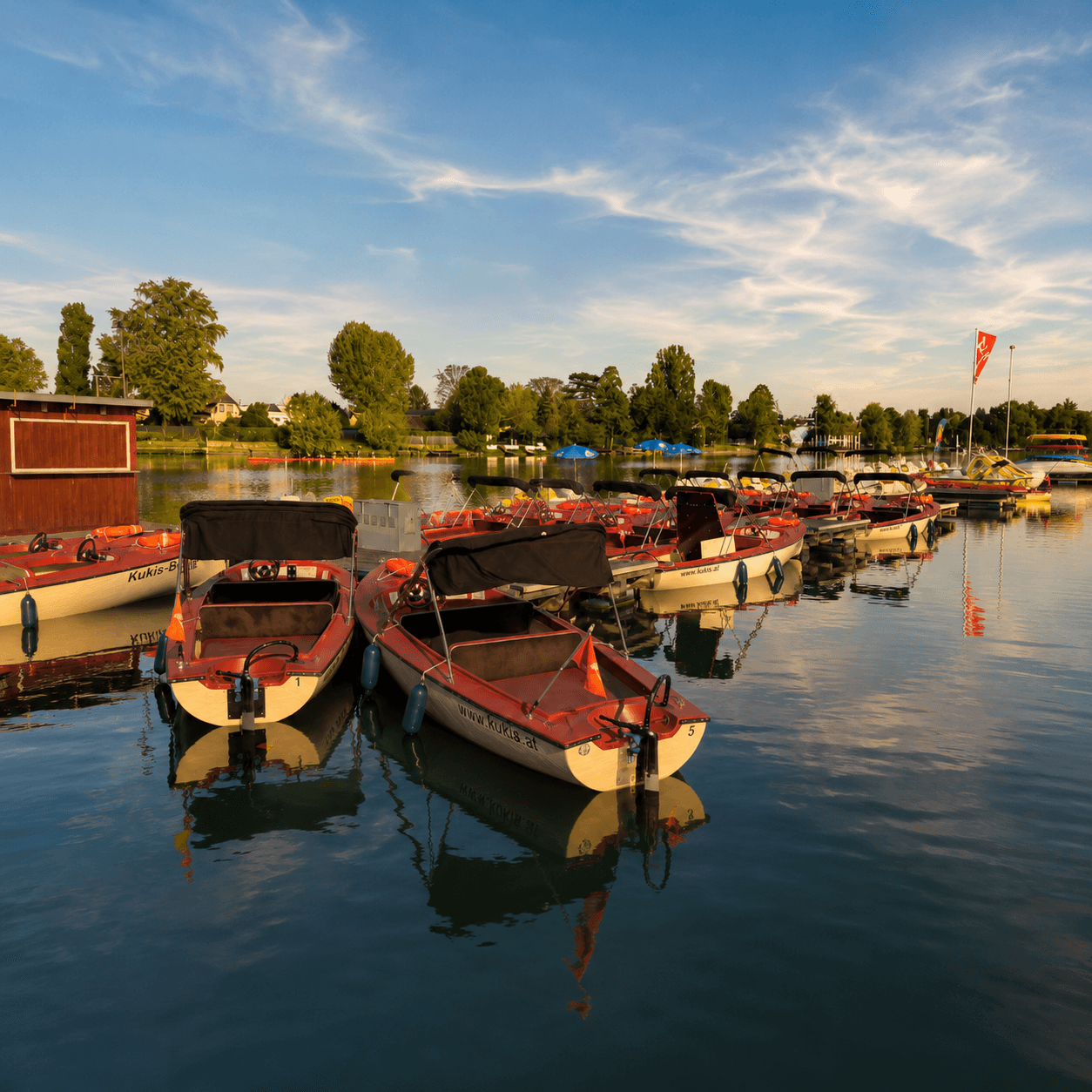
Not slightly wrong — fundamentally wrong in places. It’s the difference between suggesting Budapest Zoo (fine, but we’d been) and knowing about Tropicarium’s underwater tunnel with sharks and rays — the kind of moment our daughter will remember for years. It’s the difference between listing “Danube boat tour” and telling a parent that Alte Donau has turquoise-clear water where your kid can steer the boat herself.
Here’s exactly where AI family trip planners succeed, where they fail, and how to fill the gaps yourself.
TL;DR: Use AI for hotels and route logic — Mindtrip matched 2 of 3 hotels exactly. Don’t trust it for child pacing, break stops, deposits, or “skip it” recommendations. One of the best moments of our trip — Tropicarium’s underwater tunnel with sharks and rays — was something no AI surfaced as a must-do family highlight.
→ Related: AI Travel Agent: Honest Test of 3 Tools on a Real 4-Country Family Trip
The Test Setup: 8 Days, 4 Countries, One 8-Year-Old
- Route: Montenegro → Hungary → Czech Republic → Austria → Hungary → Montenegro
- Dates: April 24 – May 1, 2026
- Family: Me, my wife, our daughter (age 8)
- Car: Hertz Skoda Karoq from Budapest Airport (€718.54 receipt total, 5 days)
- Hotels: 3 hotels across 6 nights — OREA Resort Santon (Brno, 3 nights), Citadines Danube Vienna (1 night), ibis Styles Budapest Center (2 nights)
- Total cost: ~€2,600 (~$2,810 USD) for the whole trip
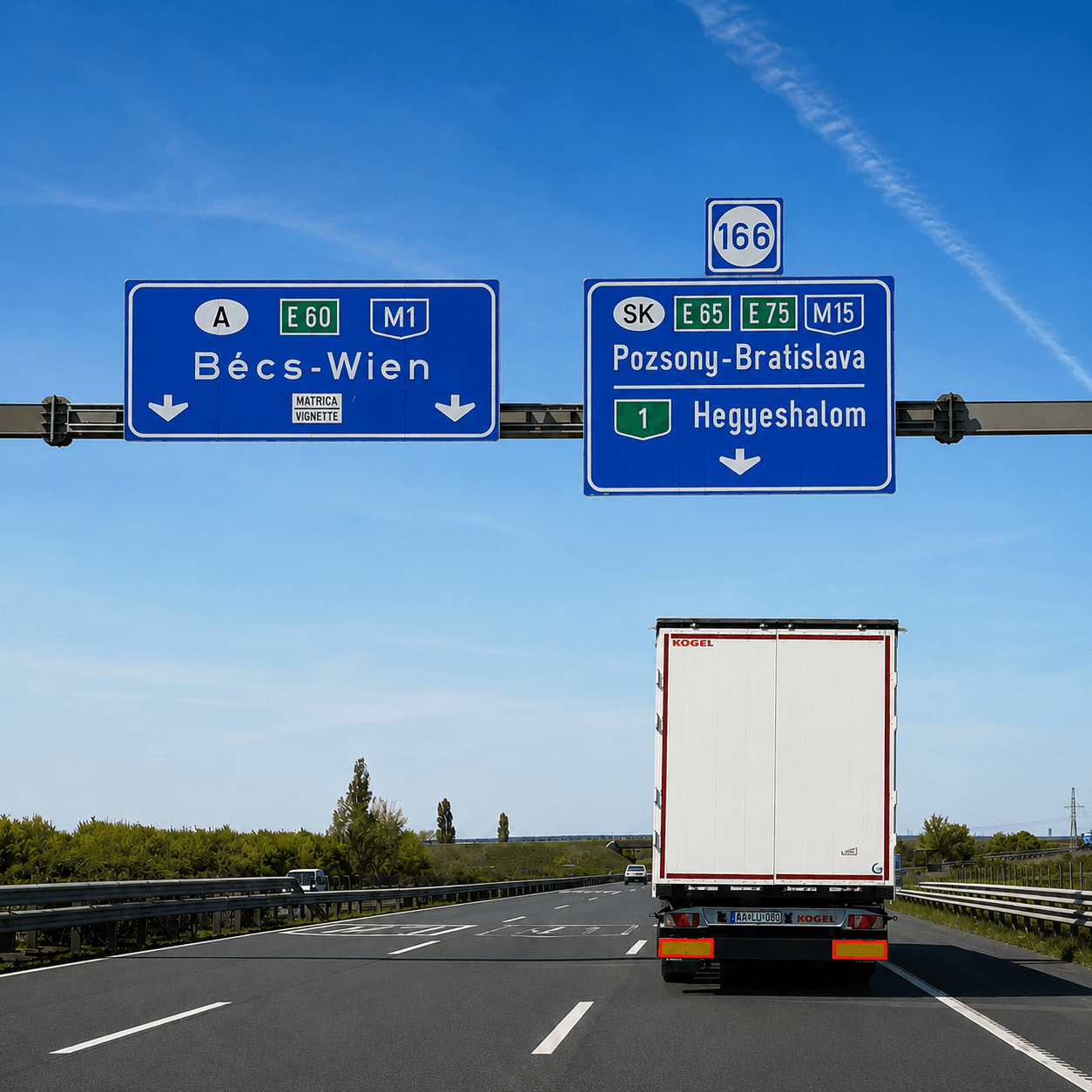
We rented at Budapest Airport, drove through three borders (Hungary → Slovakia → Czechia, then Czechia → Austria, then Austria → Hungary), and visited six family attractions along the way.
The critical detail: we planned this trip ourselves, based on years of experience in the region. We lived in Vienna for almost a year and drove to Budapest, Bratislava, and Brno regularly. After the trip, I sent the same detailed prompt to all three AI tools and compared their recommendations to what actually happened. This isn’t AI-plans-the-trip-and-we-follow. This is I-already-know-what-worked-and-now-I-can-fact-check-every-word.
Quick preview — AI vs. what we actually chose:
| Category | What AI Suggested | What We Did | Verdict |
|---|---|---|---|
| Budapest kid day | Budapest Zoo, House of Music | Tropicarium underwater tunnel with sharks and rays (official current ticket math: 12,900 HUF on weekdays / 15,000 HUF on weekends or holidays for 2 adults + 1 child, about $42–49 at the time of checking) | AI missed the family highlight |
| Brno | Špilberk Castle, Cathedral | VIDA! Science Centre (650 CZK family ticket, about $28–30 at the time of visit/checking) | AI gave it as option, but ranked sightseeing higher |
| Vienna water | “Danube boat tour” | Electric boat on Alte Donau, Kukis (€33/hr) | AI mentioned Alte Donau and Layla mentioned sofa boats, but it missed why a classic electric boat works so well for a child: clear water, safe steering under adult supervision, and the feeling of being captain |
Full breakdown below.
The three AI family trip planners I tested:
- Mindtrip — best UX, venue cards with photos, fully free. Full review
- iMean AI — most structured output, multi-section format. Full review
- Layla — best insider knowledge, but geo-locked and paywalled. Full review
→ Related: Best AI Trip Planners 2026: 10 Tools Compared
Round 1: I Asked AI for a Family Itinerary
Here’s the core of the prompt I sent to all three AI tools (abridged for readability — the full version was ~700 words):
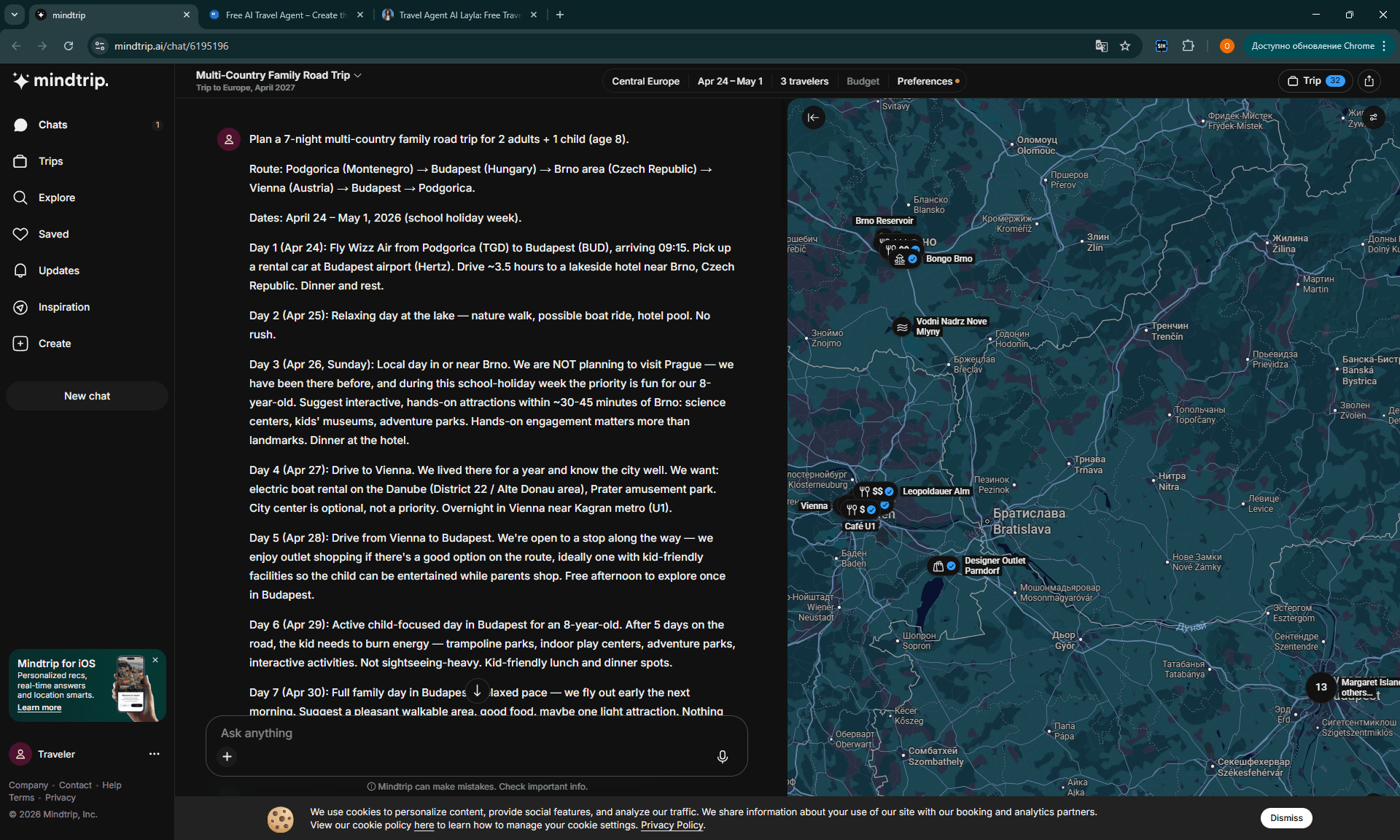
Plan a 7-night multi-country family road trip for 2 adults + 1 child (age 8). Route: Podgorica → Budapest → Brno area → Vienna → Budapest → Podgorica. April 24 – May 1, 2026.
Day 3: We are NOT planning to visit Prague. During this school-holiday week the priority is fun for our 8-year-old. Suggest interactive, hands-on attractions within 30-45 min of Brno: science centers, kids’ museums, adventure parks. Hands-on engagement matters more than landmarks.
Day 4: Electric boat rental on the Danube (District 22 / Alte Donau area), Prater amusement park.
Day 5: We’re open to a stop along the way — we enjoy outlet shopping if there’s a good option on the route, ideally one with kid-friendly facilities so the child can be entertained while parents shop.
Day 6: Active child-focused day in Budapest for an 8-year-old. After 5 days on the road, the kid needs to burn energy — trampoline parks, indoor play centers, adventure parks, interactive activities. Not sightseeing-heavy.
The prompt was deliberately family-specific. I mentioned the child’s exact age, asked for interactive attractions by name, specified energy levels, and even flagged the need for kid-friendly facilities at the outlet. This wasn’t a vague “plan a family trip” — it was a structured brief that gave AI every chance to deliver family-appropriate results.
What came back:
Mindtrip responded with an interactive map of Central Europe, venue cards with photos, and suggested follow-up questions like “Kid-friendly dinner in Vienna?” — the strongest UX of the three. It picked up VIDA! Science Centre, Prater, Alte Donau, and OREA Resort Santon by name. Hotel matching was excellent: 2 of 3 exact matches.
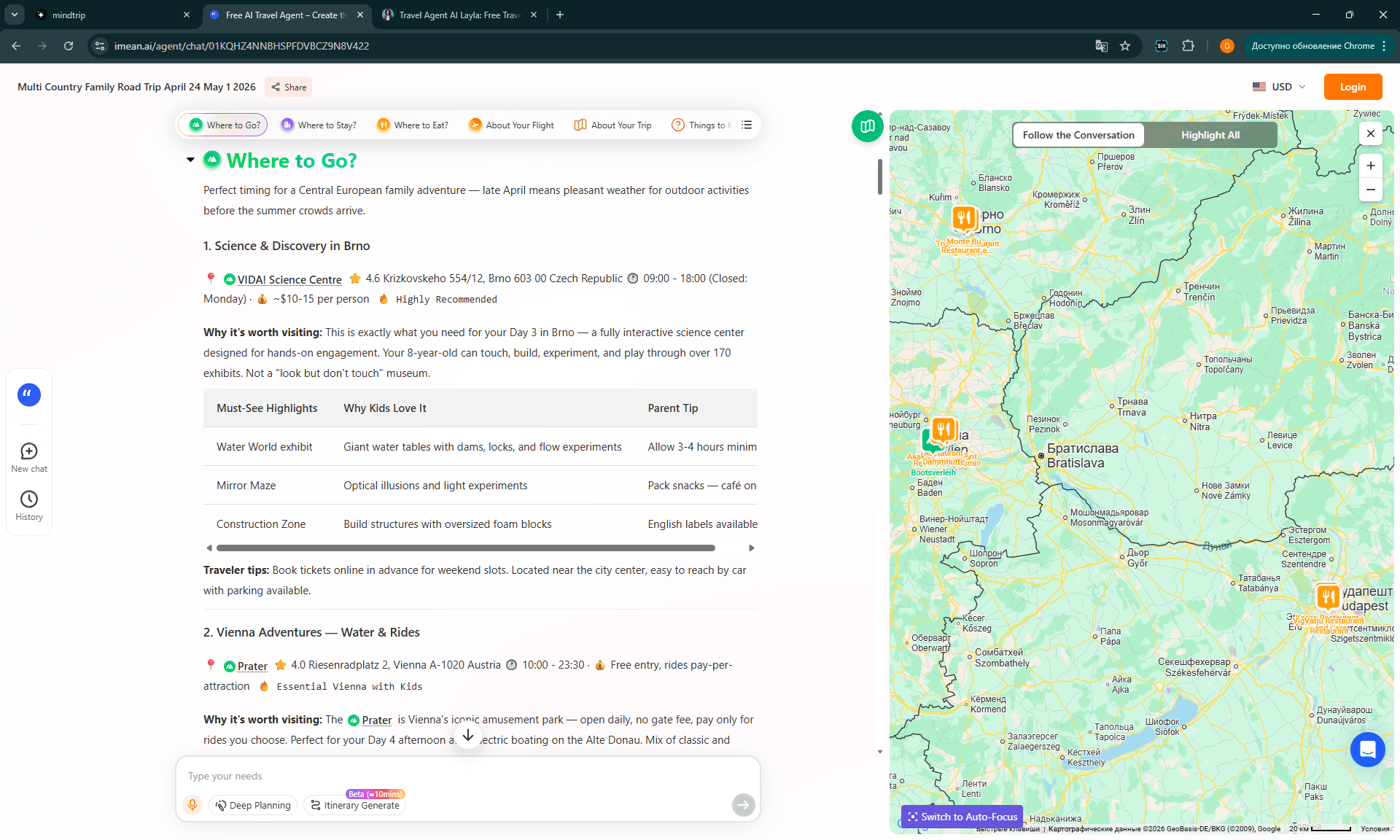
iMean AI gave the most structured output — segmented into “Where to Go,” “Where to Stay,” “Where to Eat,” “Costs.” It included VIDA!, suggested trampoline parks for Day 6, and was the only AI to know that Hertz Hungary includes the Hungarian vignette in the rental. But it also hallucinated “Bátrak Parkja” on Margaret Island — a park that doesn’t exist.
Layla delivered the richest single response: correct vignette prices for all four countries, insider tips like Children’s Railway Budapest and “sofa boats” on Alte Donau from Meine Insel. But it only worked from a Frankfurt VPS — from my home IP in Montenegro, it showed a loading screen for 24+ hours.
All three covered the basics. The question for this article is: did they handle the family layer?
What an AI Family Trip Planner Gets Right
Credit where it’s due — AI family trip planners aren’t useless. Several things worked well for family travel specifically.
Hotel Matching Was Surprisingly Good
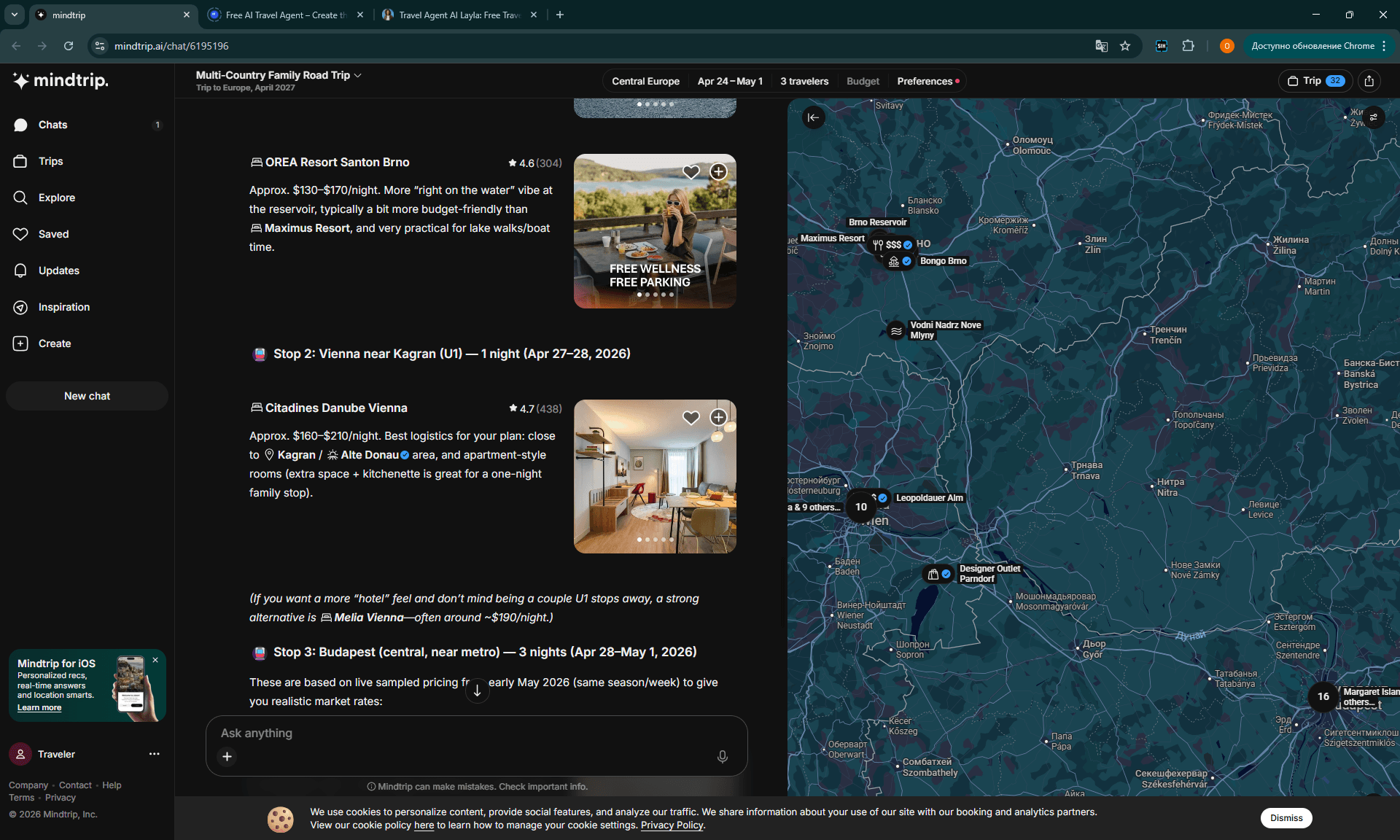
Mindtrip nailed two of three hotels we actually used: OREA Resort Santon in Brno (exact match) and Citadines Danube Vienna (exact match). It even got ibis Budapest close — suggesting ibis Budapest Centrum, same chain as the ibis Styles Budapest Center where we stayed.
For families, hotel matching matters more than for couples. You need a pool, a kids’ area, breakfast included, proximity to transport. Mindtrip’s venue cards — with photos, ratings, and “Save to Trip” buttons — made it easy to evaluate family-friendliness at a glance. Neither iMean nor Layla offer this visual comparison.
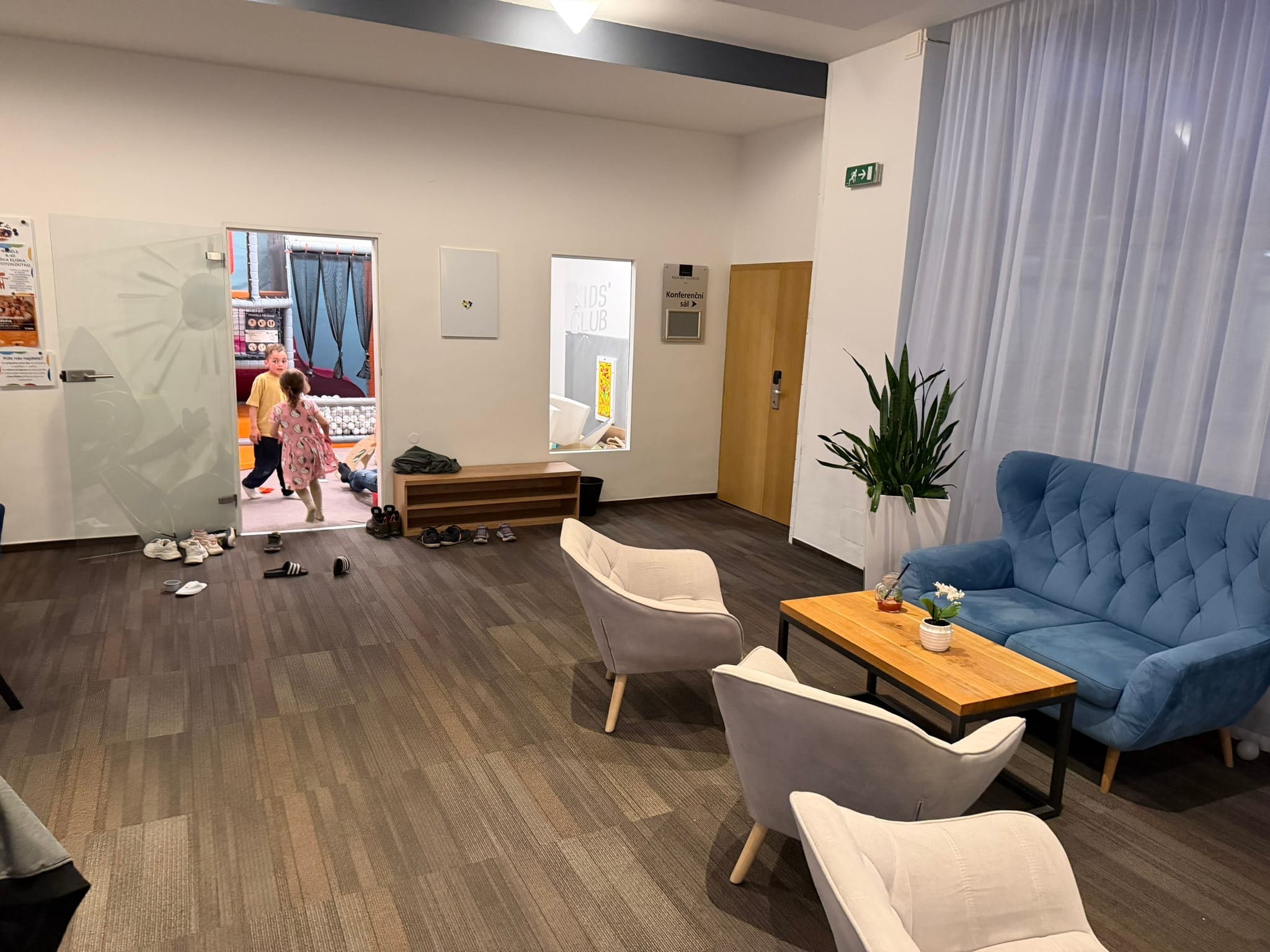
OREA Resort Santon was the strongest AI hit: a family spa hotel on Lake Brno with an indoor pool, kids’ craft sessions run by the animation team, a fox mascot that later became part of our daughter’s OREA ritual, and live-cooking breakfast (waffles, eggs Benedict made to order). We’ve been returning to this hotel since 2016, before our daughter was born; the mascot itself became important to her much later, after OREA introduced it and after we bought one during the period when we lived in Vienna. For Mindtrip’s database to surface this specific hotel tells you the AI can read context well — even if it can’t understand the personal history behind the place.

Route Logic Was Sound
All three AI tools got the basic route right: Budapest Airport as the hub, loop through Brno and Vienna, return to Budapest for the flight. They correctly flagged the Slovakia transit strip between Hungary and Czechia. Drive times were accurate within 30 minutes.
For family travel specifically, vignettes matter more than for solo trips — you’re driving with a child and can’t afford a €100+ fine and a 30-minute roadside stop. iMean was the only AI that knew Hertz Hungary includes the Hungarian vignette in the rental — saving us €18 and the hassle of buying one at the border.
AI Mentioned the Right Activities — But Without Family Context
Here’s the nuance: all three AI tools mentioned VIDA! Science Centre, Prater, Alte Donau boats, and Parndorf outlet. My prompt specifically asked for these categories, so this isn’t surprising. What matters is how they mentioned them.
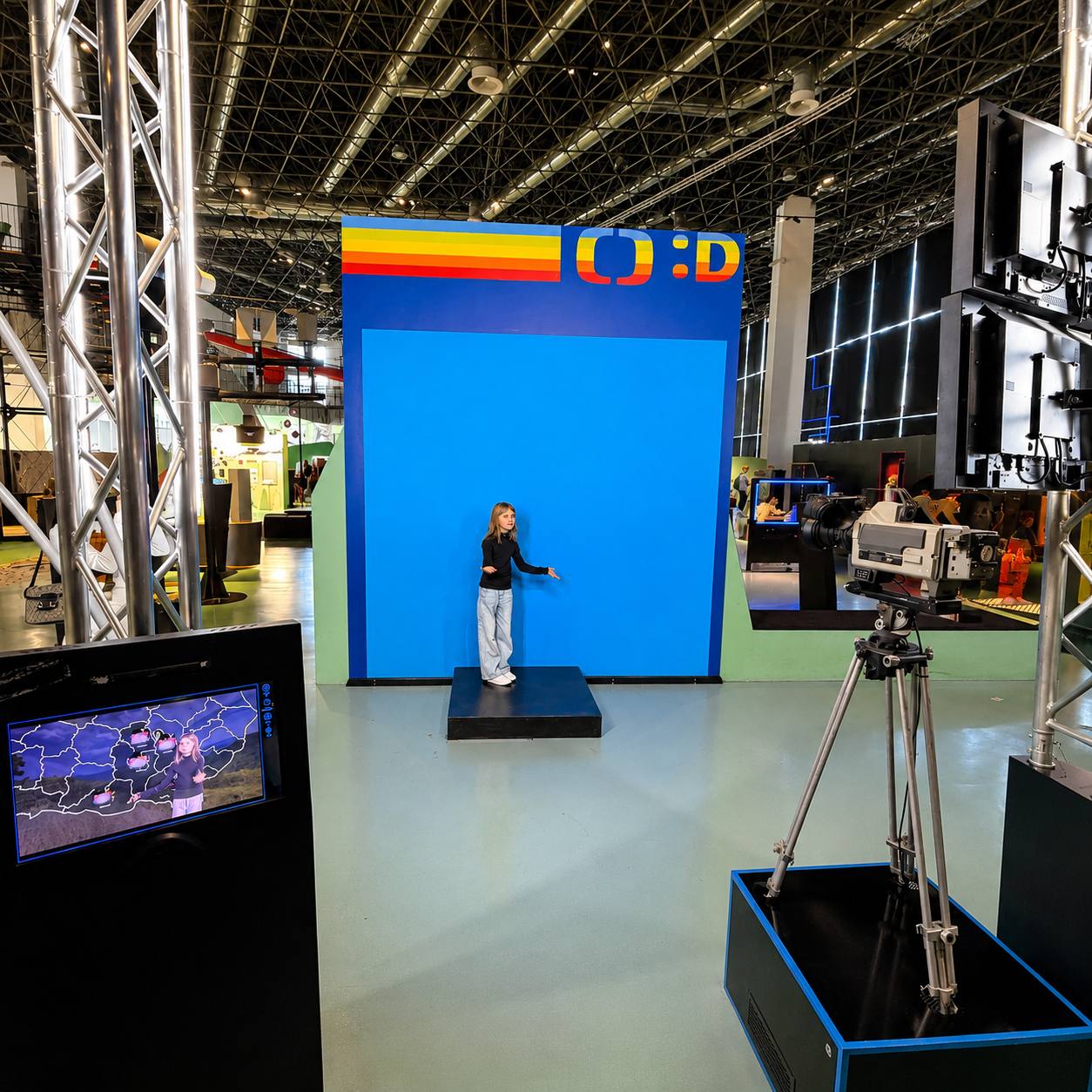
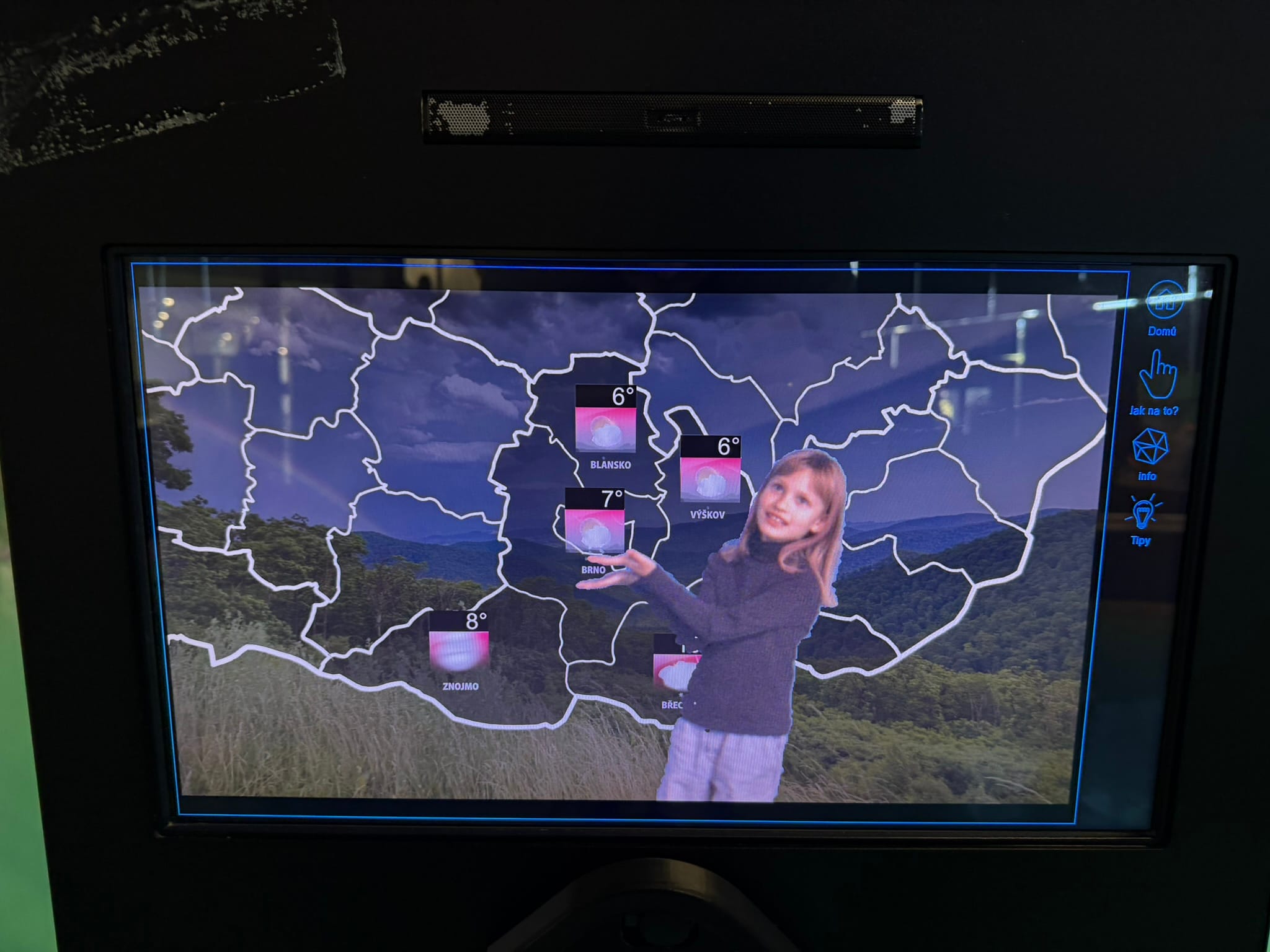
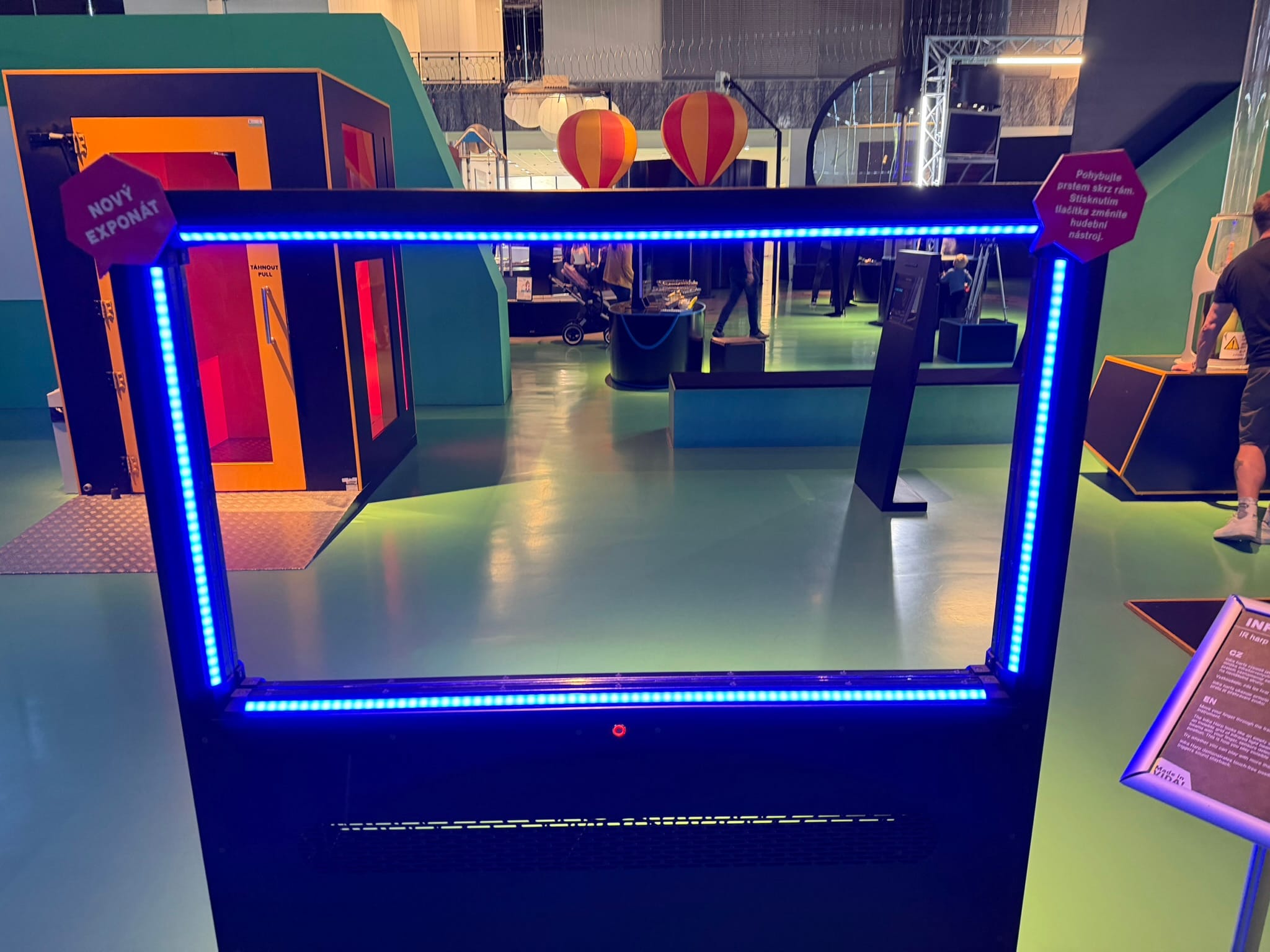
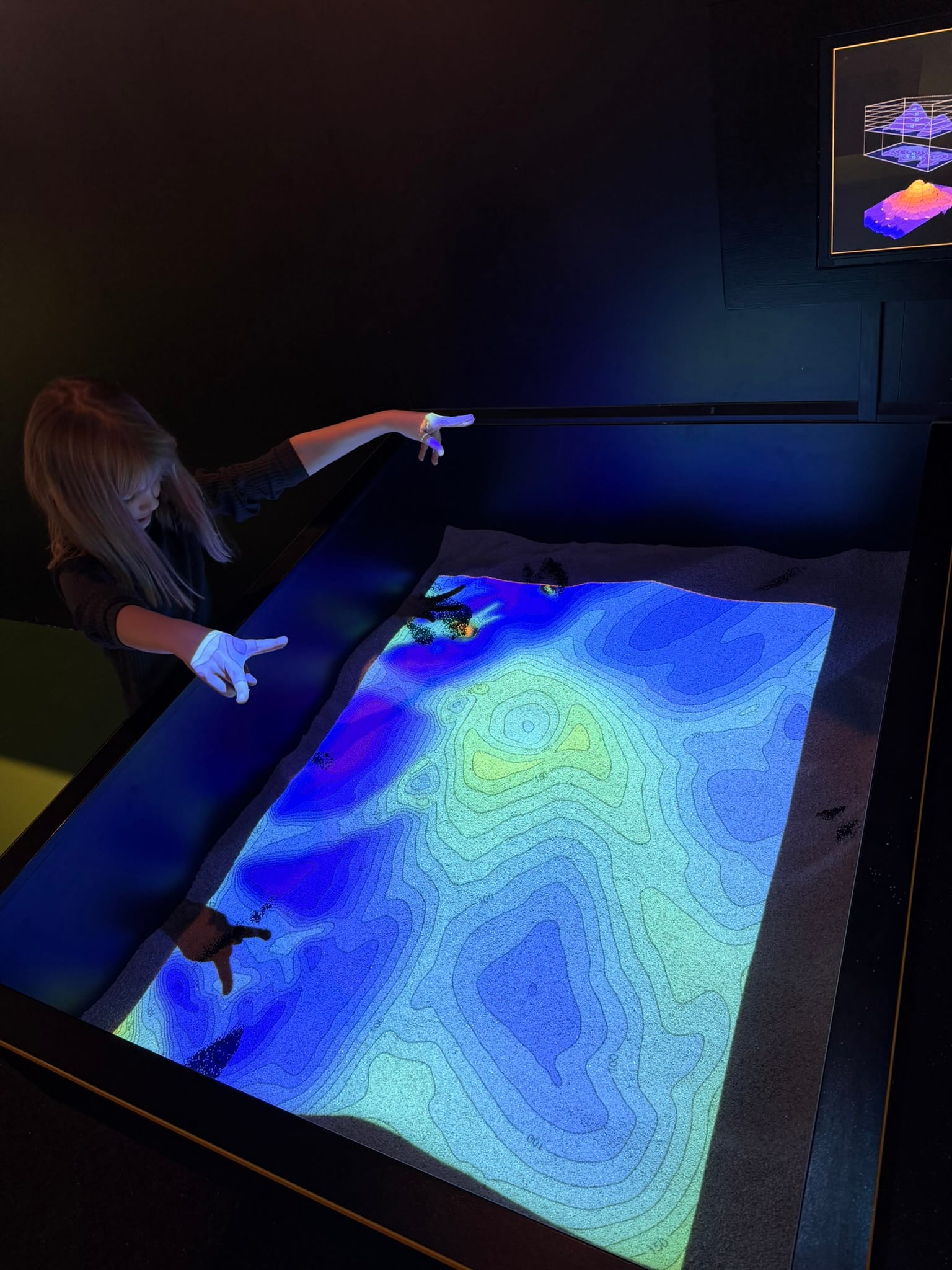
AI said: “VIDA! Science Centre — interactive exhibits.” Reality: our daughter anchored a weather forecast on a chroma-key TV screen, played an infrared harp, built landscapes in an AR sandbox, and cried when we left after four hours. The AI gave a line item. A family trip planner should have said: “This is the kind of place your 8-year-old won’t want to leave — budget 3-4 hours, not 90 minutes.”
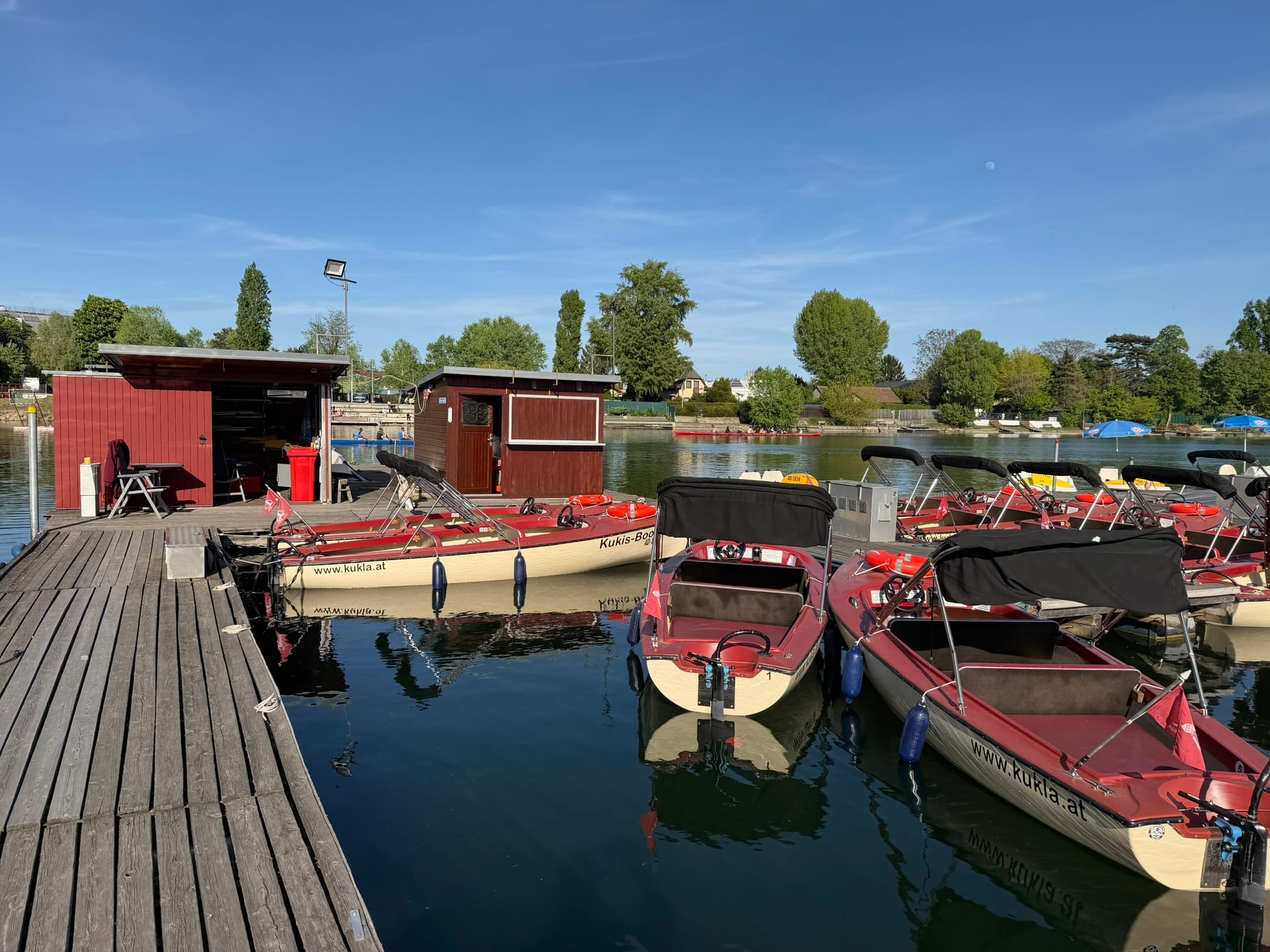
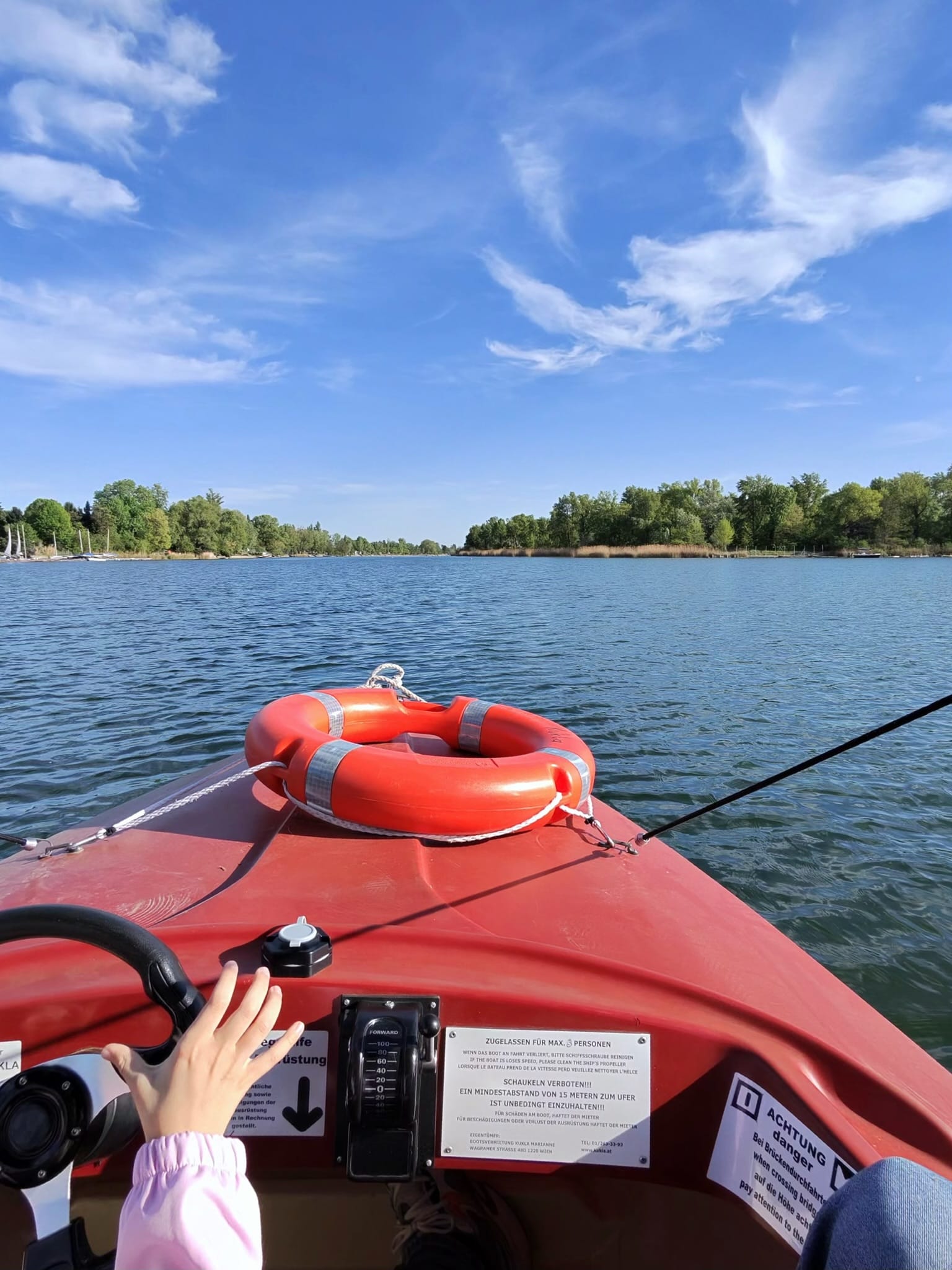
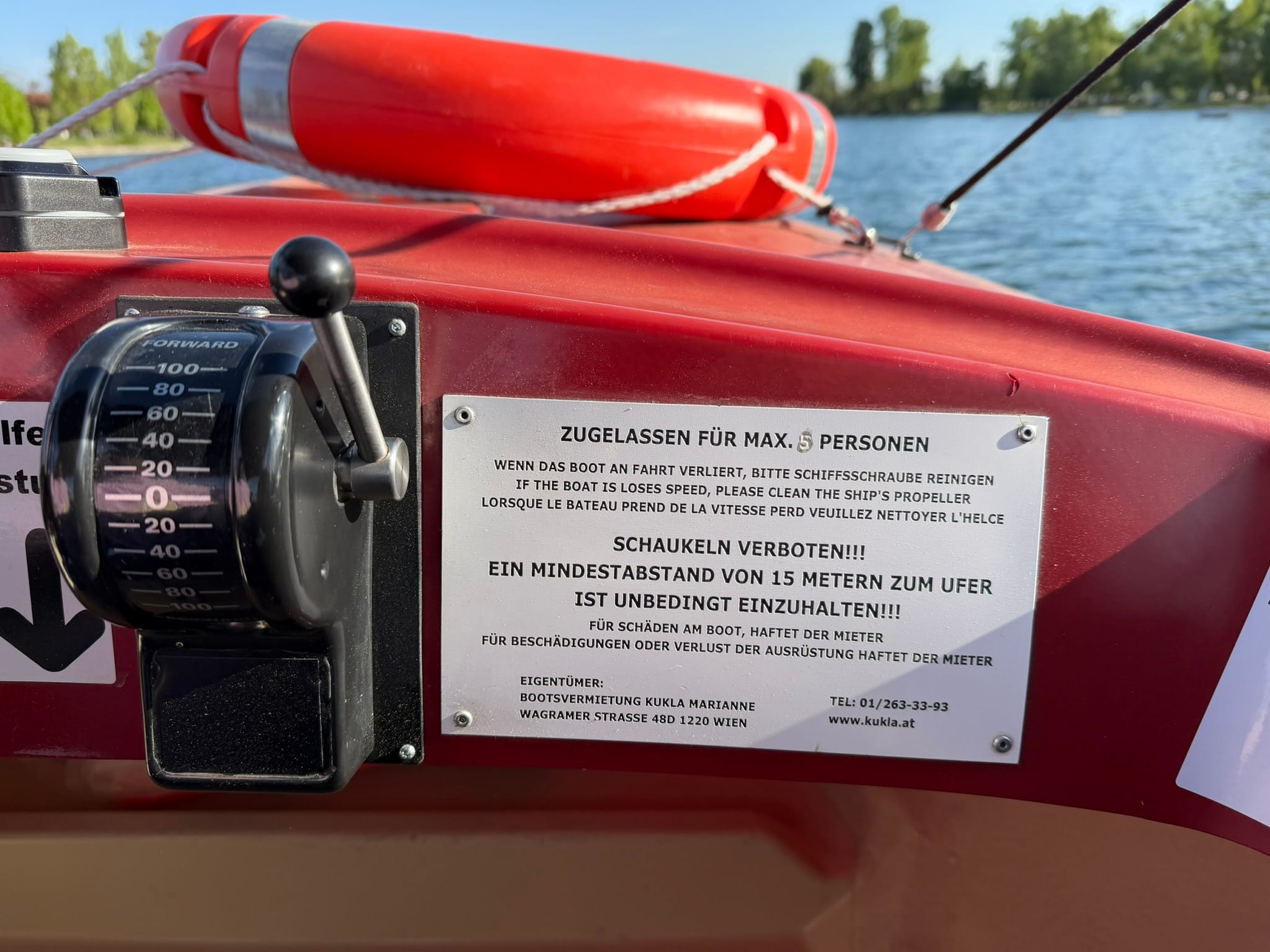
AI said: “Alte Donau — boat rental available.” Reality: Alte Donau is an oxbow lake with turquoise-clear water where you can see carp swimming below the surface — completely different from the brown-grey main Danube. Layla came closest by mentioning Meine Insel’s “sofa boats,” which is a useful family tip. But we chose a more classic Kukis electric boat: it felt like a small real boat, our daughter could steer it herself, and under adult supervision it felt safe while still giving her the feeling of being captain. No AI explained why that difference matters for a child.
AI said: “Parndorf Designer Outlet — shopping stop.” One AI mentioned Dinoland (the supervised kids’ play area), but only as a small add-on with a symbolic extra fee. No AI framed it the way parents would: “Leave your child at Dinoland (supervised, ages 3-10), shop together as adults for 150 minutes, then meet at Le Burger for lunch.” That combination — kid entertainment + 2.5 hours of parent freedom — is the actual value of Parndorf for families.
The pattern: AI provides facts. Parents need context. For family travel, context is the recommendation.
Cross-Border Warnings Had Real Value
Layla flagged that GPS often routes you through a 12-mile sliver of Slovakia on the D2 highway between Hungary and Czechia — and missing the Slovak vignette on this stretch means a €100+ fine. With a child in the back seat asking “are we there yet,” you’re not thinking about highway vignettes. Having the AI pre-flag this is a legitimate family safety net.
Mindtrip flagged May 1 as Hungarian Labour Day with shop closures. With a child, that translates to: stock up on water and snacks the evening of April 30, because every Aldi, Lidl, and Spar will be closed the next day. Layla went further and named specific chains. Small detail, big difference when you’re travelling with a kid who needs water at 9 AM.
Where an AI Family Trip Planner Fails With Kids
This is where the gap between “trip planner” and “family trip planner” becomes obvious. AI handles logistics. It struggles with children.
The Tropicarium Story: When “Skip It” Was Wrong
One of the best moments of our trip: standing inside the blue underwater tunnel at Tropicarium-Oceanarium in Budapest while sharks and rays moved above the glass. My daughter stood frozen, pointing at a ray as it passed overhead, then watching a shark glide close enough to feel almost unreal. The whole family was silent for a full minute.
None of the three AI tools surfaced Tropicarium as a must-do family highlight. Our prompt said “not sightseeing-heavy” and the AI tools had previously been told we didn’t want standard zoos or big museums. All three interpreted this too broadly and steered us away from Tropicarium as a priority. But Tropicarium isn’t a standard aquarium — it’s an indoor jungle with tropical birds flying free, a huge piranha tank, alligators, caimans, monkeys, snakes, rays, and sharks. Current official ticket prices on Tropicarium’s site are 4,700 HUF per adult and 3,500 HUF per child on weekdays — 12,900 HUF for 2 adults + 1 child (about $42 at the time of checking). On weekends and holidays, the same family math is 15,000 HUF (about $49). In the Campona shopping center — easy to reach, easy to combine with lunch.
Why AI missed it: Tropicarium is a family/locals destination, not a tourist-guide headliner. When AI summarizes “best Budapest with kids,” it pulls from tourist-facing content — Budapest Zoo, Aquaworld, House of Music. Tropicarium has thousands of Google reviews and a strong rating, but it doesn’t make the top-5 lists that LLMs are trained on.
The lesson for parents: when an AI family trip planner says “skip X,” check it yourself. Especially for anything animal-related or experiential. The AI’s training data has a mainstream bias that filters out exactly the kind of venues kids love most.

Pacing: The Missing Family Layer
Our daily rhythm with an 8-year-old looked like this: one big activity in the morning (VIDA, Tropicarium, Prater), lunch by 1 PM, quiet time or pool until 3-4 PM, a light second activity (walk, boat, shopping), dinner by 6-7 PM.
AI gave us packed itineraries. Mindtrip suggested four things in one Vienna day. iMean stacked three attractions before lunch. No AI understood that a family day has a natural arc: active → rest → gentle → done. AI pacing thinks in attractions-per-hour; parents think in energy-per-child.
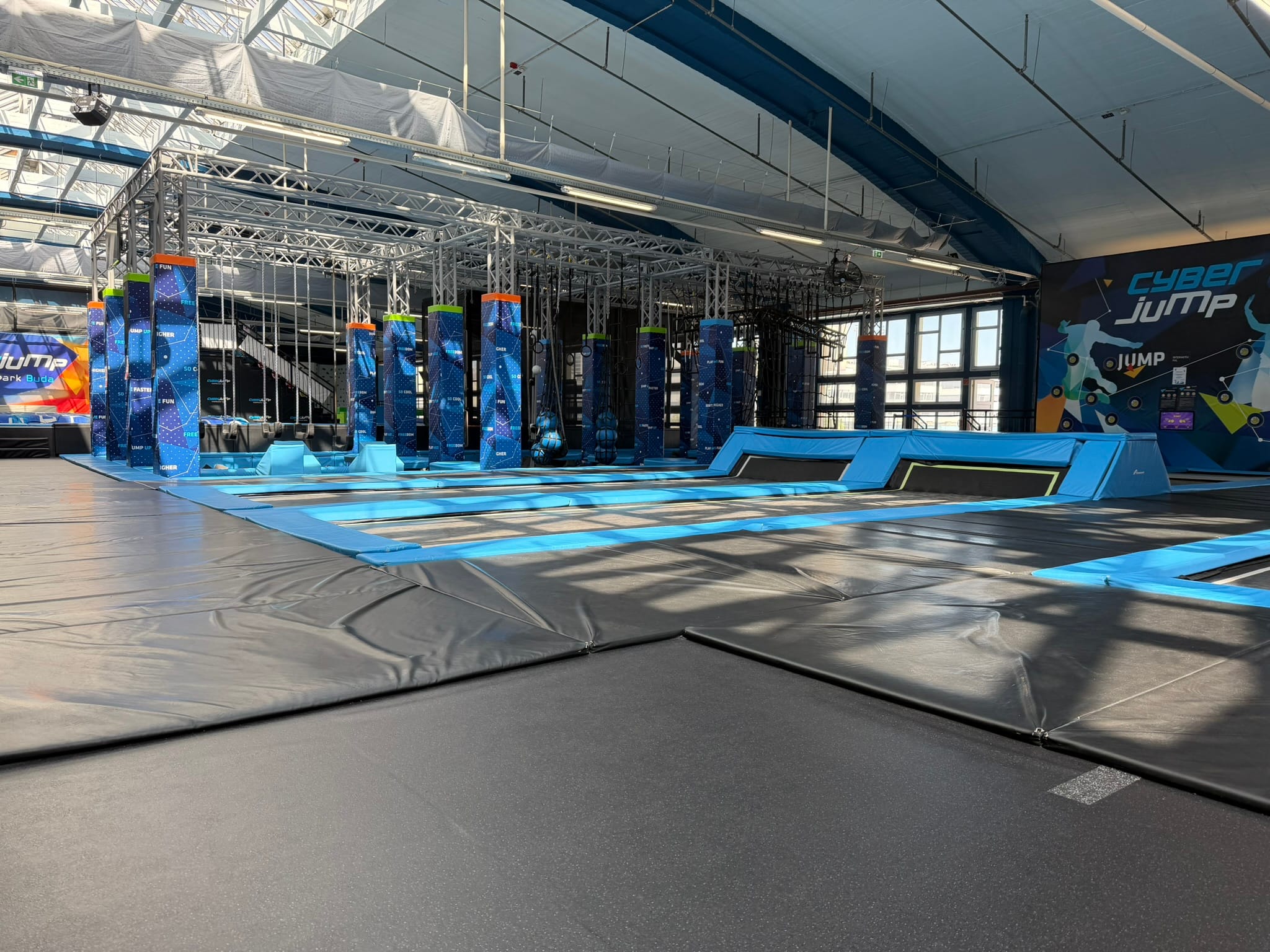
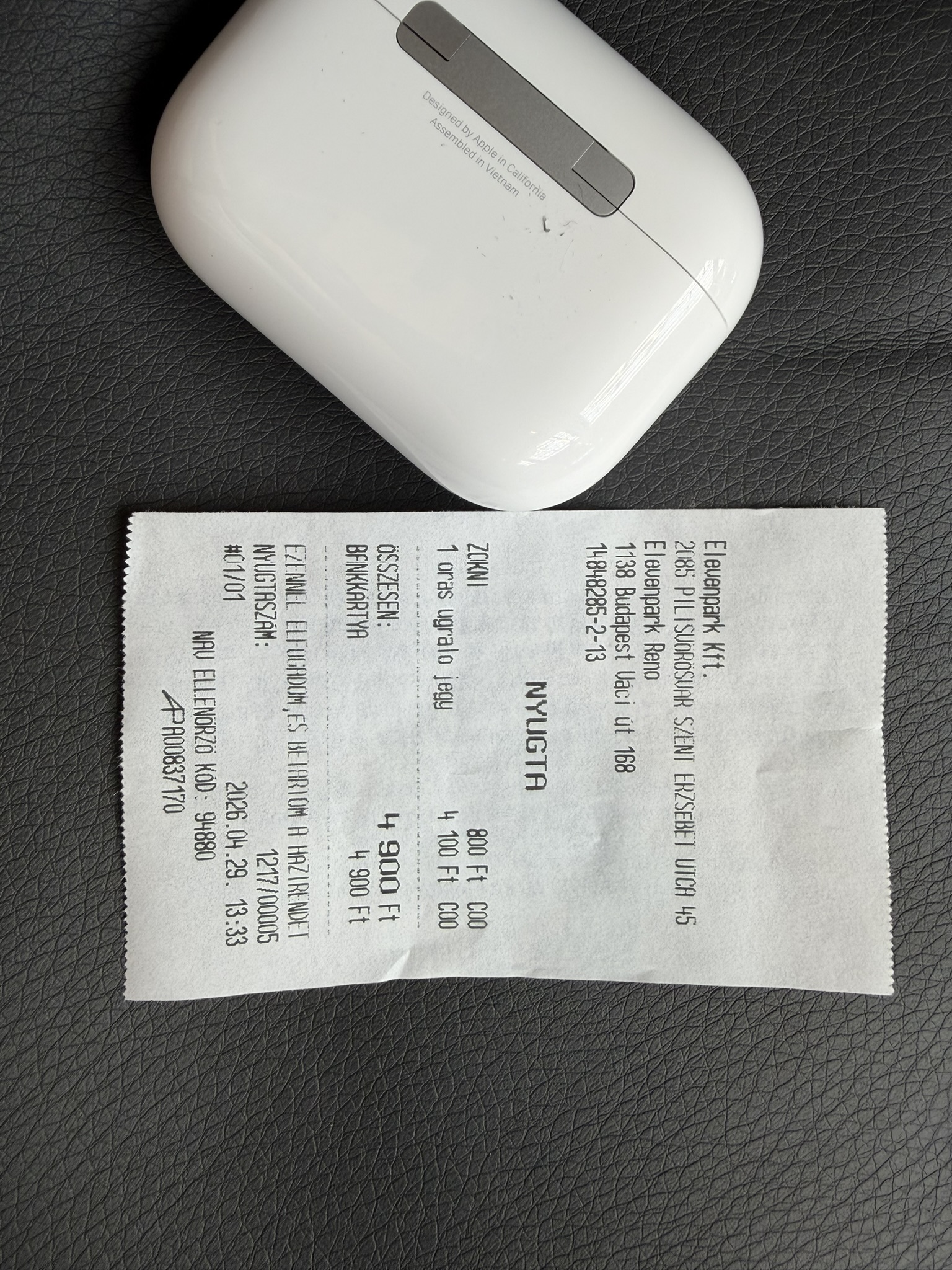
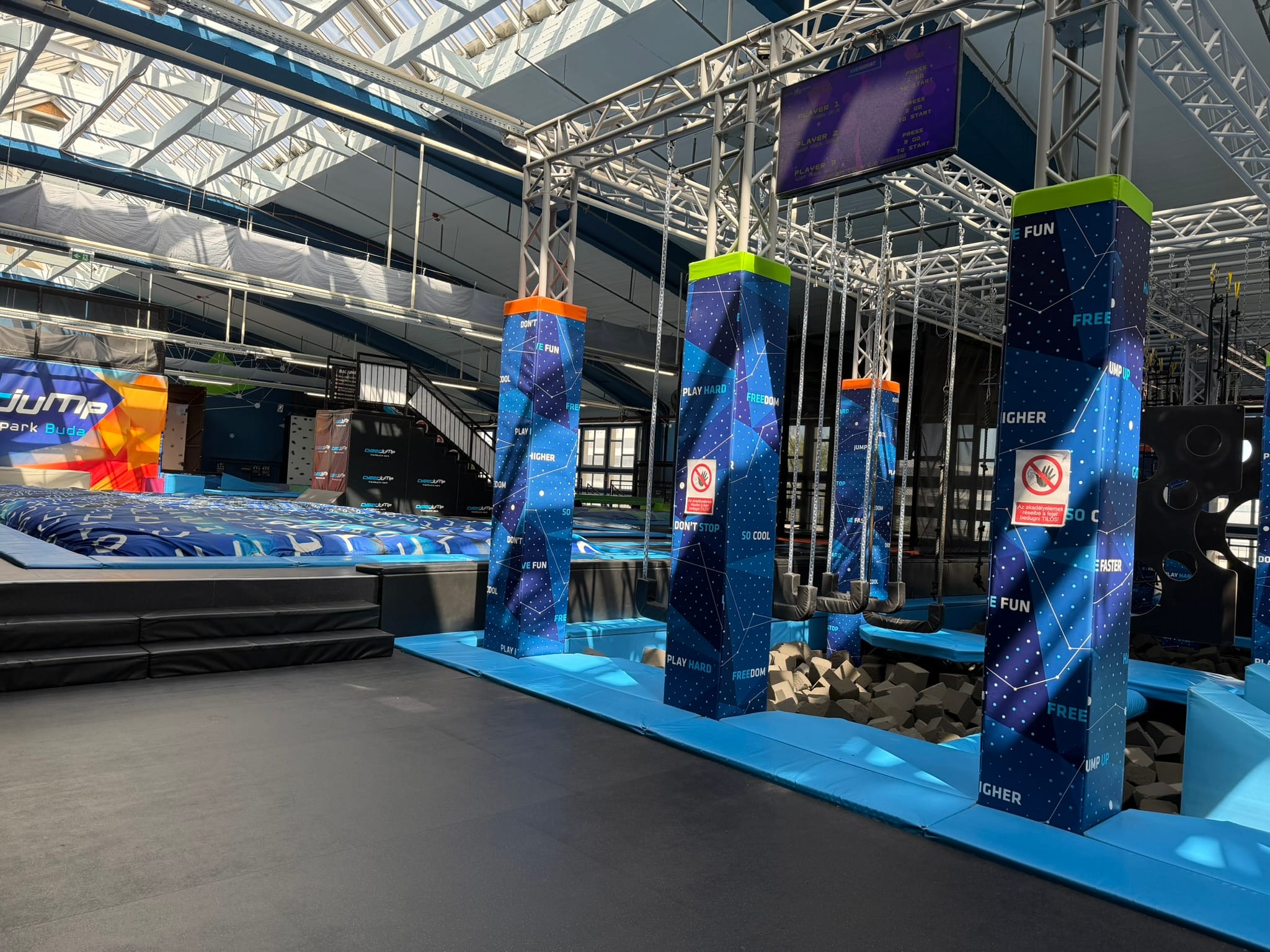
After Tropicarium (2 hours of standing still watching sharks and rays), our daughter needed to jump — literally. CyberJump Park Buda became the energy reset. Our first CyberJump visit cost 4,900 HUF: 4,100 HUF for a 1-hour trampoline ticket plus 800 HUF for compulsory jumping socks (about $16 total at the time). Later, we bought a 6,000 HUF combined ticket — 1-hour CyberJump ticket + 1 child Elevenpark ticket, without buying socks again (about $20). That sequence — calm aquarium → active jumping — wasn’t random. It was strategic energy management. AI mentioned CyberJump in the context of Day 6 (my prompt asked for trampoline parks), but didn’t connect it as a pacing tool after a calm activity.
Kid-Meal Context: Present But Generic
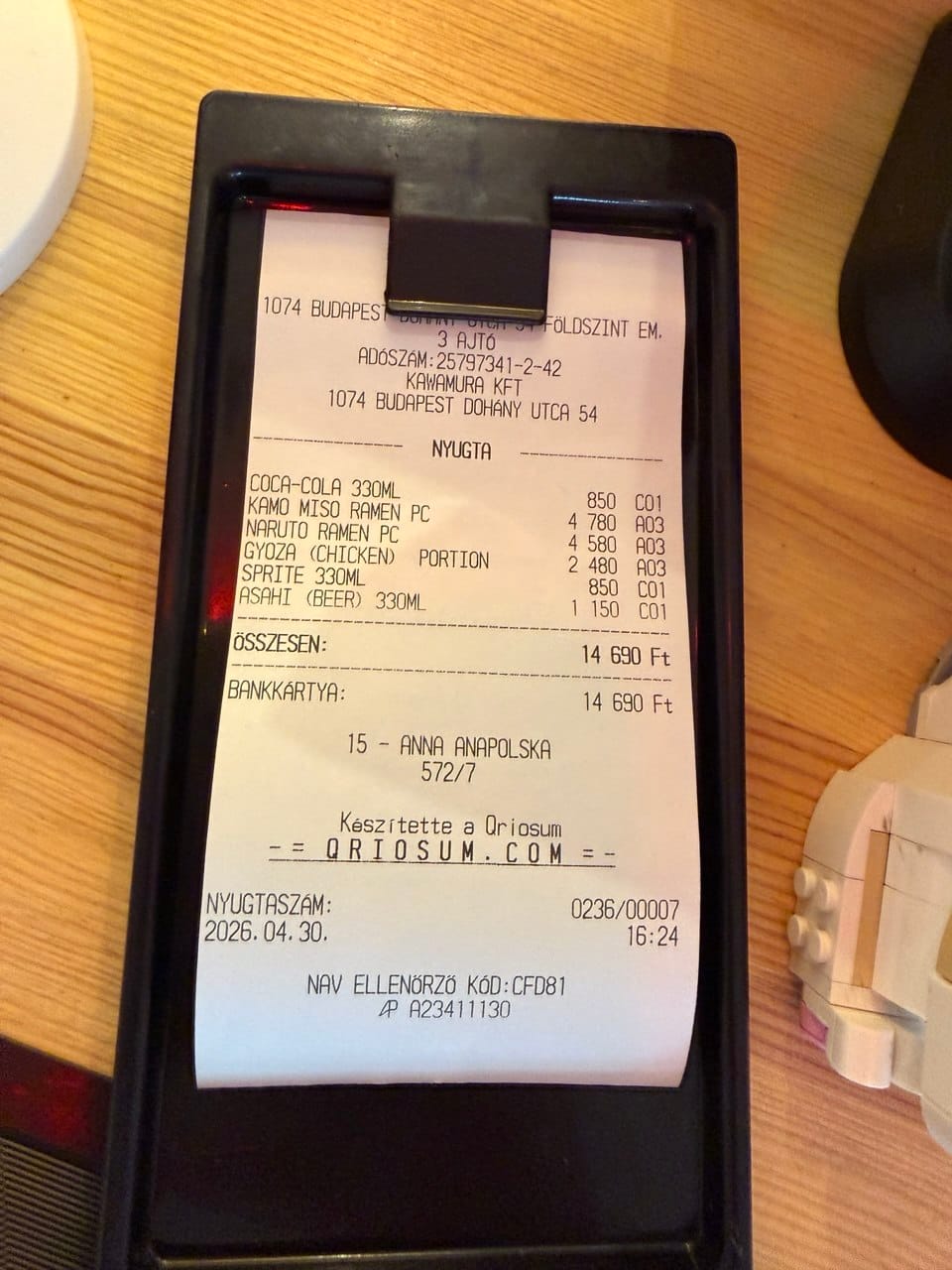
The AI tools recommended restaurants that worked — Kawamura Ramen in Budapest was found by all three, and we went twice (11,260 HUF / ~$30 USD, then 14,690 HUF / ~$39 USD). It was also about a 5-minute walk from our hotel, which matters a lot after a long family day. But no AI mentioned why it works for families: warm food, customization (broth, spice level, toppings chosen per person), fast service, no reservation needed, and ramen is excellent for kids if you skip the spicy options.
The OREA Resort Santon restaurant Preegl — chicken risotto and schnitzel for our daughter, 989 CZK (~$43 USD) — appeared because AI recommended the hotel. But no AI flagged what makes hotel restaurants valuable for families: no extra drive, and the kid can go to the pool right after dinner.
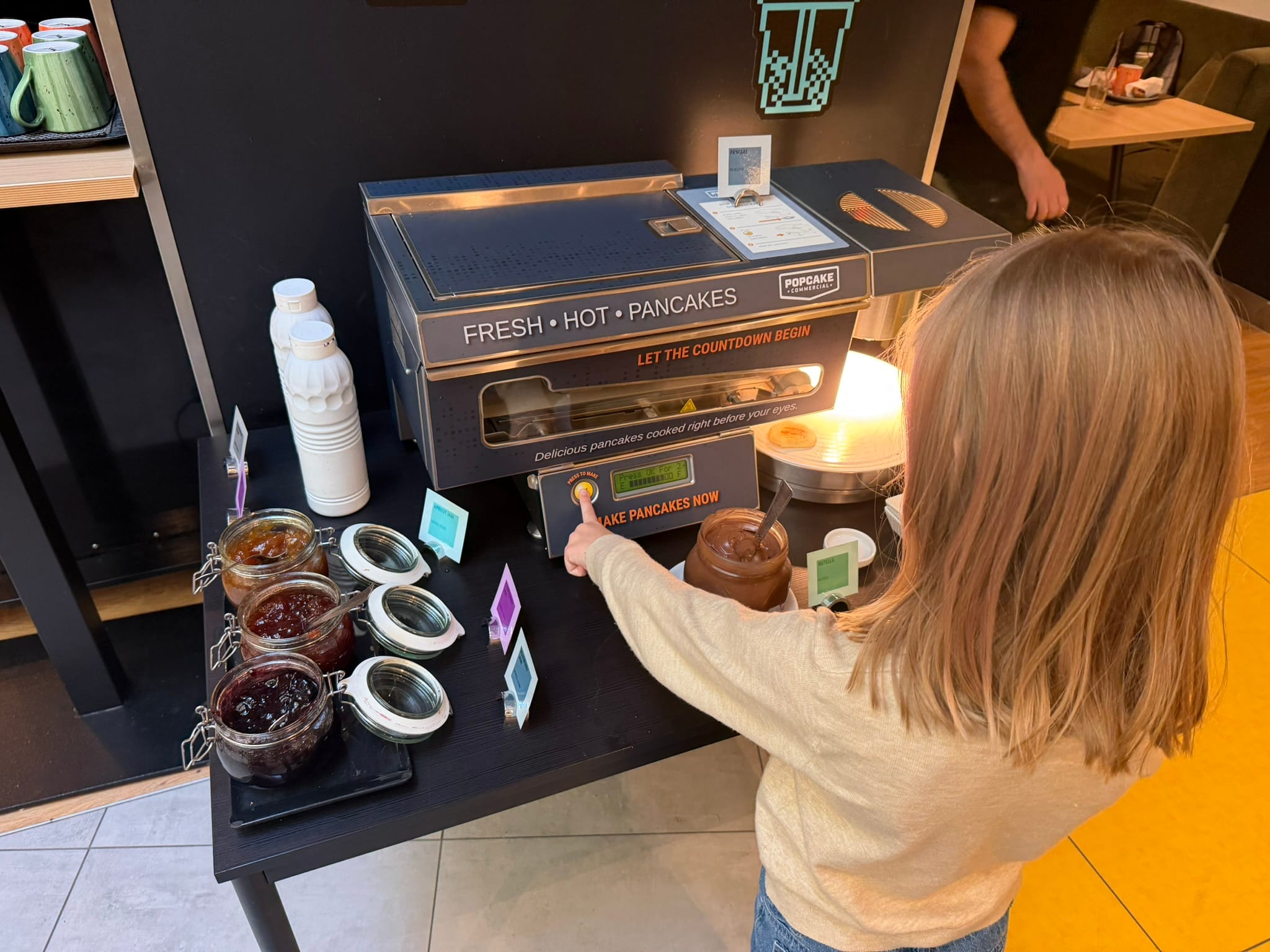
The ibis Styles Budapest Center has a Popcake machine — an automatic pancake maker at breakfast that our daughter pressed 11 times in two mornings. No AI on Earth will tell you about the Popcake machine. But for a parent choosing between two similar-priced Budapest hotels, that machine is the tiebreaker.
The €2,000 Deposit: The Fail That Could Have Killed the Trip
This isn’t about comfort — it’s about whether the trip happens at all.
I arrived at Hertz Budapest Airport. Signed the contract. At the final step, the agent asked for a card for the €2,000 (~$2,160 USD) deposit. My Ukrainian hryvnia bank card was subject to wartime National Bank of Ukraine limits for hryvnia payment cards issued by Ukrainian banks: cashless payments abroad are capped at the equivalent of 100,000 UAH per month. In practical EUR terms at the time, that was roughly €1,930/month. This is a regulatory limit for hryvnia cards across Ukrainian banks; foreign-currency cards have different rules. By late April, I had only about €400 of usable limit left.
Add: at the Hertz Budapest Airport counter, I was told the deposit had to be placed on a physical plastic card. Virtual cards, Apple Pay, and Google Pay were not accepted in my case.
The solution: Super Cover insurance (€170 over 5 days) reduces the deposit from €2,000 to €400. That €400 was exactly what I had left. Without Super Cover, we would have lost the car, the prepaid Hertz booking (€718.54), the first hotel, the entire 8-day trip.
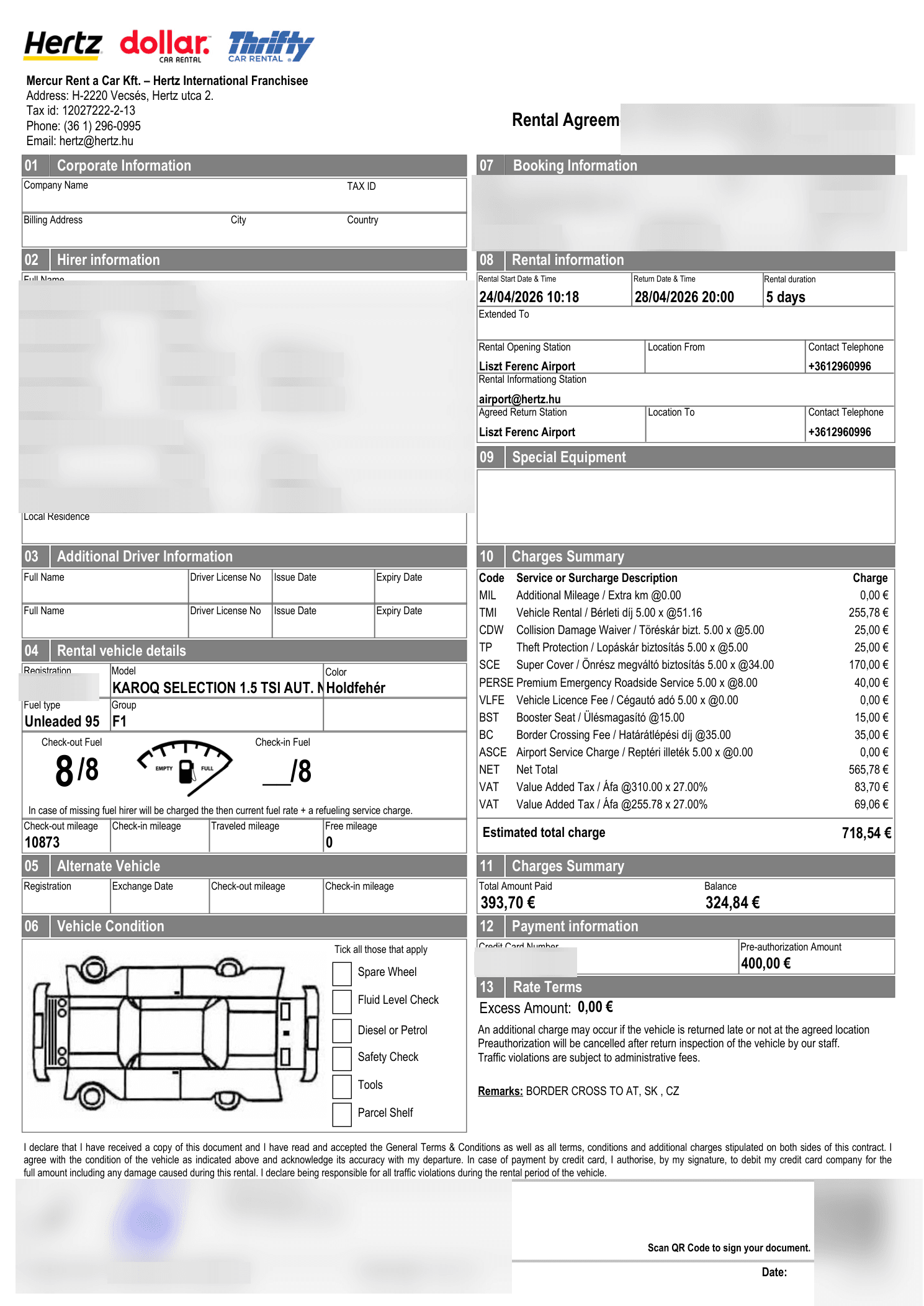
No AI mentioned the deposit. Not one. My prompt explicitly said “non-EU travelers” and specified the rental company. This is the most dangerous AI family trip planner gap — not a missed restaurant, but a trip-ending financial surprise.
→ Related: France Road Trip with AI: Honest Family Travel Experience 2026 (where we had a different Hertz experience — virtual cards accepted in France, smaller deposit)
5 Things AI Doesn’t Understand About Travelling With Kids
After this test, here are the systematic gaps every AI family trip planner has:
1. Exclusions are contextual, not literal. We said we didn’t want standard zoos or big museums. AI effectively filtered out animal-related venues — including Tropicarium, which is an underwater world with free-flying birds, not a zoo with cages. Parents mean “we’ve done the boring version.” AI hears “delete the category.”
2. A child’s attention span is the schedule. AI plans in hours. A child operates on “this is boring” and “this is AMAZING.” VIDA! was four hours because every exhibit was interactive. Špilberk Castle would have been 20 minutes. AI can’t predict which one your kid will love — but it could flag the interactive ones more prominently.
3. Energy management is logistics. CyberJump after Tropicarium wasn’t random — it was strategic. Kid stands still for 2 hours watching sharks and rays → kid needs to move. AI doesn’t model energy state. A proper family trip planner should.
4. Parents need breaks too. Parndorf Dinoland gave us 150 minutes — 2.5 hours — to shop together while our daughter played in a supervised kids’ area. OREA’s animation team gave us a spa morning. These aren’t just kid attractions; they’re parent-relief infrastructure that makes the trip survivable. AI mentioned both Parndorf and OREA, but didn’t frame them as parent-break opportunities.




5. The deposit could kill the trip. Financial edge cases — wartime bank caps, physical-card requirements, country-specific insurance rules — are invisible to AI. They’re also the highest-stakes failure mode: not “we missed a restaurant” but “we don’t have a car.”
What I Actually Did Differently
Here’s the full divergence between AI recommendations and our actual choices:
| What AI Suggested | What We Did Instead | Why It Matters for Families |
|---|---|---|
| Budapest Zoo / House of Music | Tropicarium-Oceanarium (12,900–15,000 HUF for 2 adults + 1 child at current official prices, about $42–49) | Underwater tunnel with sharks and rays — one of the strongest family moments. No AI surfaced it as a must-do family highlight |
| Špilberk Castle ranked above VIDA | VIDA! Science Centre (650 CZK family ticket, about $28–30), 4 full hours | AI listed VIDA but ranked sightseeing higher. Interactive > landmarks for an 8-year-old |
| “Danube boat tour” | Electric boat on Alte Donau, Kukis (€33/hr) | Layla mentioned sofa boats, but Kukis felt more like a classic small boat: clear water, safe steering under adult supervision, and a real “captain” feeling for the child |
| “Parndorf Designer Outlet” | Parndorf + Dinoland + Le Burger (€63) | AI mentioned the outlet. Didn’t frame it as: child at Dinoland for 150 minutes, parents shop together, then lunch |
| 4 attractions per day | 1 big + pool + walk + dinner | Energy management. AI doesn’t pace for children |
| Trampoline parks on Day 6 | CyberJump after Tropicarium (4,900 HUF first visit with socks; 6,000 HUF combined CyberJump + Elevenpark ticket later) | AI put it on the right day but didn’t connect it as post-aquarium energy burn |
| Restaurant list | Kawamura Ramen ×2 (return visit), about 5 minutes from our hotel | AI found it. Didn’t explain why ramen is great for kids: fast, customizable, warm, and easy to order non-spicy |
The Alte Donau swap is worth highlighting. AI said “Danube boat tour” — which usually means the main channel: brown-grey water, cargo traffic, tourist commentary in five languages. Layla did mention Meine Insel’s sofa boats, and that was a genuinely useful family detail. But we took a classic electric boat from Kukis instead: an oxbow lake with turquoise-clear water where you can see carp swimming alongside ducks, and a small boat that feels enough like a real vessel for a child to feel like captain. Our daughter steered the boat herself for the full hour, safely under adult supervision. The AI listed Alte Donau (my prompt specified District 22), but missed the storytelling — why this water is different, why the boat type changes the child’s experience, why a family would choose it over a standard tour.
The OREA mornings followed a pattern no AI generates: buffet breakfast with live cooking → kids’ craft session with the animation team (free, 2 hours) → parents at the spa (pool, aromatherapy sauna). By noon, everyone was recharged. Our own history with OREA goes back to 2016, long before this specific family routine existed. The fox mascot became part of our daughter’s trips much later — after OREA introduced it, and after we bought one around late 2023 or early 2024 when we were living in Vienna. On this trip, she didn’t need a new hotel discovery; she just needed a new outfit for her fox. That’s the kind of personal family context no algorithm can infer from a hotel database.



Best AI Family Trip Planner Tools (Ranked)
Based on this test, here’s how each tool performed specifically for family use:
1. Mindtrip — Best Overall for Families (★★★★☆)
Why: Hotel matching is critical for families (pool? breakfast? kids’ area?), and Mindtrip nailed 2 of 3. Venue cards with photos let you quickly assess family-friendliness. Suggested follow-up questions included “Kid-friendly dinner in Vienna?” — showing the AI at least tries to think about families. Free, no paywall.
Family gap: Ranked sightseeing above interactive attractions. Missed Tropicarium as a must-do family highlight. No pacing logic.
→ Related: Mindtrip Review 2026: Honest Test on a Real Family Trip
2. Layla — Best Insider Tips (★★★★☆ when accessible)
Why: The only AI that knew about Children’s Railway Budapest (kid-operated train in the Buda hills), Bruno Family Park at Parndorf (indoor play by brand name), and Meine Insel’s “sofa boats” on Alte Donau. That’s genuine family insider knowledge.
Family gap: Geo-locked — wouldn’t load from Montenegro for 24 hours. Hard paywall after first response; at the time of testing, Layla Premium was $49.99/year. If accessible, the single response is likely 90% of what you need.
→ Related: Layla AI Review: Honest Test on a Real Itinerary
3. iMean AI — Best Structure, Worst Trust (★★★☆☆)
Why: Sectioned output (Where to Go / Where to Stay / Where to Eat / Costs) is useful — you can quickly scan “Where to Eat” for kid options. Only AI that knew Hertz Hungary includes the vignette.
Family gap: Hallucinated “Bátrak Parkja” on Margaret Island — a park that doesn’t exist. Self-contradicted about Tropicarium in the same conversation (first “skip it,” then “great for kids”). If you’re planning for your family, you can’t trust a tool that invents places.
→ Related: iMean AI Review 2026: Honest Test of This AI Travel Agent
Tips for Using an AI Family Trip Planner (Checklist)
Based on what worked and what failed:
Before you prompt:
- State your child’s exact age — “8-year-old” gets different results than “child”
- Be precise with exclusions — “no caged-animal zoos, but aquariums and science centers are great” instead of “no zoos”
- Mention energy patterns — “our daughter needs active play every 3-4 hours”
- Ask about deposits and payment requirements separately — AI won’t volunteer this
When reviewing AI output:
- Check every “skip X” or missing-priority recommendation manually — Tropicarium was not surfaced as a must-do family highlight and became the highlight
- Look for interactive attractions being ranked below sightseeing — promote them up
- Add break stops yourself — trampoline parks, playgrounds, hotel pools between “real” attractions
- Verify restaurant timing — families eat early; AI defaults to adult dinner hours
- Check holiday closures for your dates — May 1 in Hungary closed all supermarkets
What to use each tool for:
- Mindtrip for hotel matching and venue comparison (free, best family UX)
- Layla for insider family tips (when accessible from your IP)
- ChatGPT for specific follow-ups: “What’s the best trampoline park near Campona Budapest?” works better than asking an AI travel planner — see our 50+ ChatGPT travel prompts for more tested queries
- Google Maps for the final check — ratings, photos, real reviews from parents
→ Related: AI Travel Planning: Ultimate Beginner’s Guide 2026
Final Thoughts
An AI family trip planner in 2026 is like a knowledgeable friend who doesn’t have kids. The hotel suggestions are solid. The route logic works. The vignette prices are mostly right. But the moment you need to know where your 8-year-old can burn energy after two hours of standing still — or that the Popcake machine at ibis Styles will be the breakfast highlight — or that your bank card’s wartime limit could kill the whole plan at the Hertz counter — the AI goes silent.
Use AI for the framework: hotels, route, vignettes, general timing. Then add the family layer yourself: break stops every 3-4 hours, one big attraction per day (not four), restaurants that serve dinner at 6 PM, and always — always — check the “skip it” recommendations manually.
The technology will improve. Mindtrip’s suggested follow-up questions already show awareness that family travel is different. Layla’s insider knowledge — Children’s Railway, Bruno Family Park, sofa boats — proves that family-specific data exists in training sets. In a year or two, I expect at least one tool to build a proper “family mode” that models pacing, energy, and kid attention spans.
Until then: AI gives you the skeleton. You add the heart. The blue underwater tunnel at Tropicarium — sharks above us, rays gliding past the glass, our daughter pointing at the water like she’d found a secret world — came from us, not from any AI recommendation.
→ Related: AI Budget Travel
→ Related: AI Budget Travel
→ Related: AI Hidden Gems Finder
→ Related: AI Hidden Gems Finder
→ Related: AI-Planned Europe Itinerary
→ Related: AI-Planned Europe Itinerary
AI Family Trip Planner FAQ
Q: What’s the best free AI family trip planner? A: From this test — Mindtrip. Fully free (monetized through affiliate partnerships with Booking and Viator), best UX for comparing family-friendly hotels (venue cards with photos and ratings), and matched 2 of 3 hotels we actually used. Still misses kid-specific pacing, but hotel matching alone saves hours.
Q: Can AI plan a trip for a family with young children? A: It can plan the logistics — route, hotels, vignettes. It can’t plan the experience. AI doesn’t model a child’s energy level, attention span, or what they’ll actually enjoy for four hours versus twenty minutes. Use AI for the framework, then add break stops, adjust pacing (1 big attraction per day), and verify every “skip it” call.
Q: What do AI travel planners miss about family travel? A: Five things consistently: ranking sightseeing above interactive attractions (Špilberk Castle over VIDA!), missing unconventional family venues (Tropicarium), no pacing for child energy, no parent-break framing (Parndorf Dinoland + adult shopping), and no financial edge cases (deposits, wartime card limits). See “5 Things AI Doesn’t Understand” above.
Q: Which AI tool has the best family insider tips? A: Layla — when it works. Only AI to know about Children’s Railway Budapest, Bruno Family Park at Parndorf, and Meine Insel’s sofa boats. The catch: aggressive geo-locking and a hard paywall after one response.
Q: How do I get better family recommendations from AI? A: Be specific. “My daughter is 8, she loves interactive science museums and aquariums, she needs active play every 3-4 hours, and she won’t last more than 20 minutes in a non-interactive museum” gets dramatically better results than “family trip with a child.” Also ask follow-ups separately — “What trampoline parks are near Campona Budapest?” works better than expecting it in the main itinerary. For more prompt strategies, see our 50+ ChatGPT travel prompts.
Q: Is it worth paying for an AI family trip planner? A: Not yet. Mindtrip is free and was the best family option in this test. Layla Premium was $49.99/year at the time of testing, and the paid tier gives more planning depth, but the first free response covered most of what I needed for this route. I wouldn’t pay for iMean until hallucinations are fixed. Put that subscription money toward the actual trip instead.
Trip: April 24 – May 1, 2026. AI tools tested after the trip in early May 2026. Route: 8 days, 4 countries (Montenegro → Hungary → Czech Republic → Austria). All receipts, screenshots, and photos are real. Family of 3 with an 8-year-old daughter.
Tested on real trips — not just desk research.
Last updated: May 2026.